The Reform UK party has announced a hardline policy to introduce mandatory whole-life jail terms for anyone convicted of raping a child, should it win the next general election.
A 'Stain on Our National Conscience'
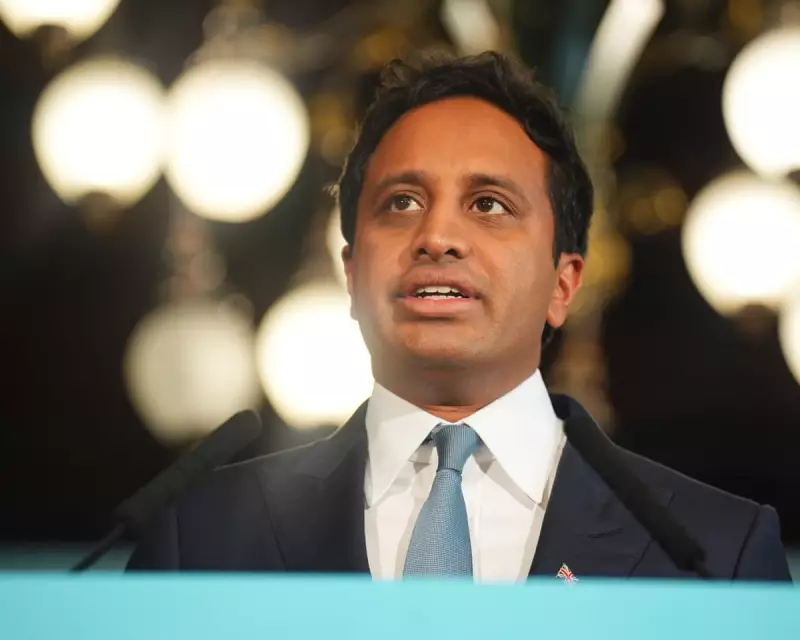
Unveiling the plans, the party's head of policy, Zia Yusuf, stated it was a 'stain on our national conscience that grooming gangs were allowed to operate for years with impunity'. He accused both Conservative and Labour governments of failing to protect children, highlighting that under the Conservatives, the average sentence for raping a child under 13 had fallen to around nine years, with some grooming gang members receiving as little as four years.
Yusuf declared: 'A Reform government will introduce mandatory minimum life sentences for those who rape children. It is shameful that this is not already the law.' The policy is intended to apply to both recent and historic child sexual abuse cases.

How the New Sentencing Would Work
Currently, judges in England and Wales can impose life sentences for such crimes at their discretion, with an offence range typically between six and 19 years for crimes against children under 13. A whole-life order is a more severe form of life sentence where the offender is never eligible for parole, reserved for the most serious cases.
According to the Sentencing Council, there were 70 whole-life prisoners as of March 2025. Recent recipients include serial child killer Lucy Letby and police officer Wayne Couzens, who murdered Sarah Everard.
Ministry of Justice data shows there were 677 convictions for the rape of children under 16 in 2024. Reform UK says its policy has been factored into wider plans to increase prison capacity by deporting foreign criminals and building new 'Nightingale' prisons.
Political Context and Reaction
The announcement forms a key part of Reform UK's law-and-order platform as it seeks to challenge the major parties. Yusuf used the platform to criticise the current government's record and also attacked Labour, claiming the opposition party is overseeing the early release of violent offenders.
The pledge directly targets public anger over the historical failure to tackle organised grooming gangs in several UK towns and cities, an issue that has had significant political resonance in recent years.