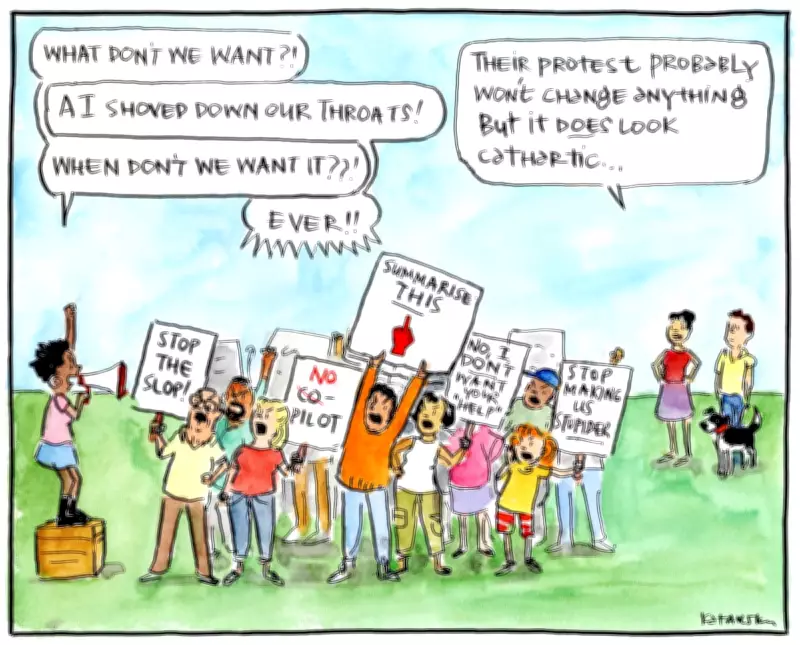
The rapid advancement of artificial intelligence has sparked not only excitement but also increasing resistance. From calls for stricter regulations to public protests, signs of a significant backlash are emerging. This article examines the key drivers behind this growing movement and what it could mean for the future of AI.
Regulatory Pushback
Governments worldwide are beginning to push back against unchecked AI development. The European Union's AI Act, for instance, sets strict guidelines for high-risk applications. In the United States, lawmakers are debating bills to address algorithmic bias and data privacy. These efforts reflect a broader concern that AI systems may perpetuate discrimination, violate privacy, or be used for surveillance. The regulatory landscape is shifting, with many arguing that oversight is necessary to prevent harm.
Public Skepticism
Public trust in AI is eroding. Surveys show that a majority of people are wary of AI's impact on jobs, privacy, and social equality. High-profile incidents, such as biased hiring algorithms or deepfake scandals, have fueled this distrust. Social media campaigns and grassroots movements are calling for transparency and accountability. The backlash is not just about fear of the unknown but is rooted in real-world consequences that have affected individuals and communities.

Economic and Social Concerns
Economic disruption is a major factor in the backlash. Automation threatens jobs in sectors like manufacturing, retail, and even white-collar professions. The unequal distribution of AI benefits has also led to criticism, with wealth concentrating among a few tech giants. Moreover, AI's role in spreading misinformation and amplifying echo chambers has raised alarms about its impact on democracy. These issues have prompted demands for a more inclusive and equitable approach to AI development.
Industry Response
In response to the backlash, some tech companies are adopting ethical guidelines and investing in responsible AI. However, critics argue that these efforts are often superficial or self-serving. The industry faces a dilemma: innovation versus regulation. While many acknowledge the need for guardrails, there is resistance to measures that could slow progress or reduce profits. This tension is likely to intensify as the backlash grows.
Future Outlook
The AI backlash is not a rejection of technology itself but a call for a more thoughtful integration into society. The outcome will depend on how stakeholders—governments, companies, and citizens—navigate this critical juncture. If managed well, it could lead to AI that is safer, fairer, and more beneficial for all. If ignored, the backlash could stall innovation or lead to a fragmented regulatory landscape. The next few years will be decisive in shaping the trajectory of artificial intelligence.