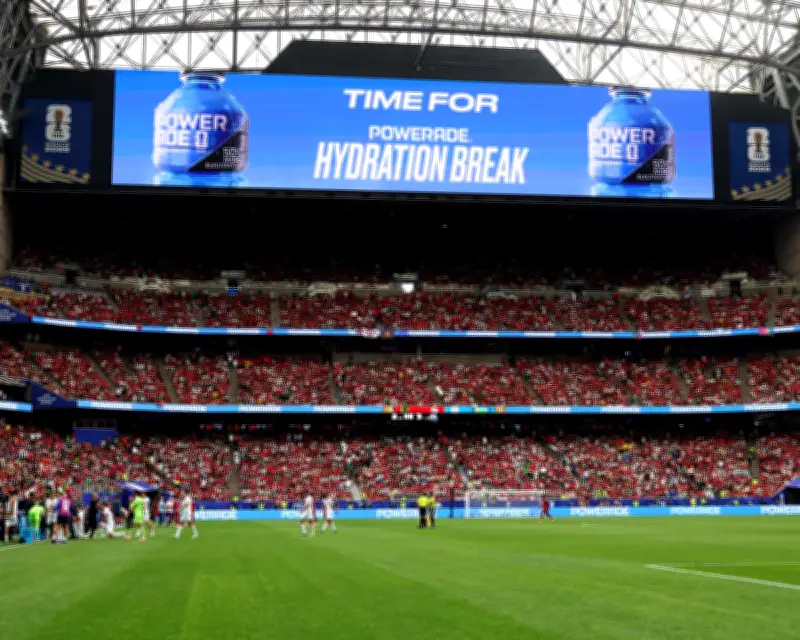
FIFA's introduction of mandatory hydration breaks during the 2026 World Cup has sparked widespread anger among fans, players, and coaches, who view the pauses as thinly veiled advertising opportunities that fundamentally alter the sport's traditional rhythm. The breaks, which occur twice per half, have been met with boos in stadiums across the United States, with supporters from the Netherlands, Spain, Czech Republic, Mexico, Japan, Colombia, and Saudi Arabia voicing their displeasure. Only Brazilian and Haitian fans in Philadelphia appeared unbothered, distracted by music and national pride, while U.S. fans largely accepted the interludes due to familiarity with commercial breaks in American sports.
Players and Coaches Voice Opposition
Thomas Tuchel, Marcelo Bielsa, and Kai Havertz have publicly criticized the breaks. Tuchel expressed hatred for the disruption, while Bielsa warned of damage to the sport's soul. Havertz called the breaks annoying. Only Ralf Rangnick has supported them, urging European adoption, though UEFA has rejected the idea. The breaks, officially called "hydration breaks," last three minutes and are sponsored by Powerade, with adverts featuring Christian Pulisic and David Beckham.
Structural Change to the Game
Critics argue the breaks represent the most significant change to football's structure since 1897, when two 45-minute halves were codified. The four-quarter format alters tactical and physical dynamics, allowing coaches to regroup and reshuffle. Carlo Ancelotti notably used a break to adjust Brazil's strategy against Morocco, stealing momentum. The breaks also disrupt the natural fatigue and flow that define the sport's beauty, as noted by Bielsa.

FIFA's Motives Under Fire
FIFA President Gianni Infantino imposed the breaks unilaterally, citing player welfare despite air-conditioned stadiums and late kick-offs mitigating heat concerns. Critics call this a Trojan horse for commercial gain, as FIFA sells additional advertising slots and boosts TV rights values. The breaks are widely labeled "ad breaks" by observers, with fans and journalists urging truth in labeling. Paraguay coach Gustavo Alfaro spoke passionately about defending football's essence against commodification.
Fan Resistance and the Future
Stadium booing continues, with fans rejecting the corporate intrusion. The breaks have also increased visibility of celebrity observers like Beckham, whose mute advert showreels appear during pauses. Football's resilience, built on its long, uninterrupted format, faces an unprecedented test. As one observer noted, the sport has survived commercial gambles before, but this unilateral change risks flattening the spectacle. The call to action: continue booing, reject Beckham-ism, and defend the game's fundamental structure.