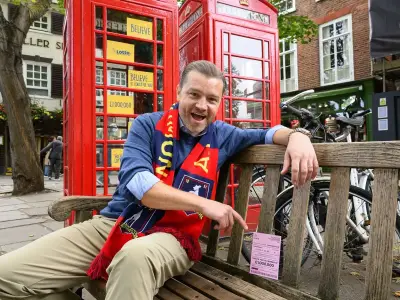
In his 2012 book What Money Can't Buy, Harvard philosopher Michael Sandel criticized the “skyboxification of American life,” where price gouging and profiteering exclude millions from communal experiences that should unite people. He argued that such practices are “not good for democracy, nor is it a satisfying way to live.” As the men's World Cup approaches in the United States, Canada, and Mexico next month, millions of football fans would readily agree with Sandel's assessment.
Fifa's Controversial Ticketing Strategy
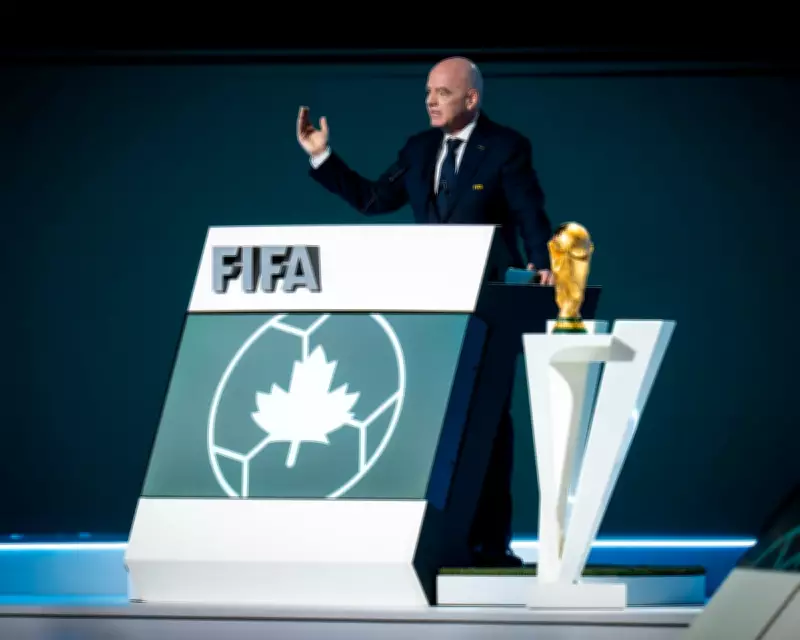
Gianni Infantino, president of Fifa, has predicted that this summer's tournament will be the “greatest and most inclusive … ever.” However, the lead-up has been overshadowed by a ticketing strategy that seems almost deliberately indifferent to the traditions of “the people's game.” In the latest phase of an opaque and manipulative process, Fifa has tripled the price of some of the best seats for the World Cup final in New Jersey to $32,970. For comparison, the top price for the 2022 final in Qatar was about $1,600.
On Fifa's Resale/Exchange Marketplace, tickets for the final have ranged from $8,970 to an astonishing $11,499,998.85. For the US's opening group game against Paraguay in Los Angeles, the cheapest tickets initially offered were priced at $1,200. Even Donald Trump expressed concern that such prices might be too high for ordinary Americans to afford.

Dynamic Pricing and Its Consequences
A dynamic pricing system means that some tickets may become cheaper closer to the tournament, but many are likely to become even more expensive. These ridiculous and exploitative prices undermine the integrity of the world's most avidly followed sporting event. To add insult to financial injury, fans who bought early at prohibitive cost are discovering that the goalposts have moved, as seats with the best views are reserved for even more lucrative hospitality packages.
When factoring in accommodation and transport costs for travelling fans, it becomes clear that access to the most monetized World Cup in history has been priced far beyond the means of most football lovers. Infantino has remained blithely dismissive in the face of the growing protest, noting merely that the competition is being staged in a “market in which entertainment is the most developed in the world. So we have to apply market rates.”
Criticism of Infantino's Leadership
This self-serving nonsense is difficult to take seriously, especially after Infantino's decision to award a peace prize to Donald Trump. Such words betray a dismaying inability to consider wider responsibilities beyond a dollar-denominated bottom line. The best World Cups have been sporting and cultural festivals, enriched by the presence of passionate supporters from host cities and around the world. Only those with impressively deep pockets will be able to maintain that tradition in June and July.
In his book, Sandel writes: “The more things money can buy, the fewer the occasions when people from different walks of life encounter each other.” Next month, Infantino will no doubt wax lyrical about the World Cup's ability to bring people together and cross divides. But pious talk of inclusivity will ring very hollow if only the well-off can enter a stadium to actually watch a game.