Counties in English cricket will face automatic points deductions for making repeated financial losses under strict new rules to be introduced next season. The England and Wales Cricket Board (ECB) is planning to implement its own version of football's profitability and sustainability rules (PSR), with points deductions as a penalty, in a shadow form from 2025 to give counties time to adjust. Fixed punishments for clubs that fail to break even are scheduled for 2028.
New Financial Framework
The proposed rules are similar to the financial framework used by the Premier League and the English Football League (EFL), where clubs are limited to losses of £105 million and £39 million respectively over a rolling three-year period. The Premier League is dropping PSR next season in favour of new regulations capping player spending at 85% of football revenues, but the EFL's profitability and sustainability limits remain in place.
Under the ECB's version, counties must demonstrate profitable operations over four years, with fixed tariffs for consistent loss-makers. The ECB will monitor county accounts in real time and can intervene at the end of each financial year. An overspend in year one triggers an official warning, followed by a suspended points deduction in year two, and actual points docking in year three if losses continue.

Response to Financial Woes
The ECB states it is acting to ensure counties operate sustainably rather than relying on handouts from Lord's or windfalls from the sale of the eight Hundred franchises, which raised about £500 million for the sport last year. The allocation of Hundred money—£18 million to host venues and £24 million to non-hosts—has caused tension, with the ECB insisting it can only be used for infrastructure or debt repayment, not operating costs.
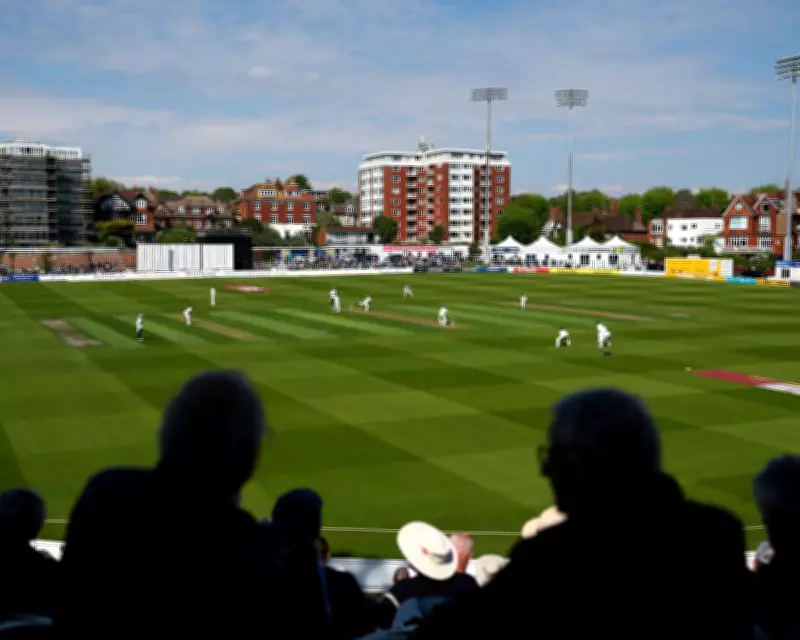
The rules are also a response to Sussex's financial plight. Sussex were docked 12 points at the start of the season after being placed in special measures by the ECB for posting an operating loss of £1.33 million last year due to high player wages. Yorkshire and Middlesex have also faced financial problems, though Middlesex cannot access Hundred funding as they have no debt and do not own their ground at Lord's.
Challenges Ahead
Counties already have an annual salary cap of £3.17 million for men's squads (£3.52 million for Surrey and Middlesex), but from next year they must demonstrate profitability for the first time. This will be challenging for the 11 non-Hundred counties, of which only Gloucestershire is forecast to make a profit this year. Smaller counties fear the Hundred franchise sale will widen the gap with bigger venues, especially if new owners demand a larger share of the ECB's next TV deal, which goes to market next year before starting in summer 2028. The Hundred is currently sold as part of a package with England's home international cricket and valued at around £50 million a year by Sky Sports, but many franchise owners want to sell it separately to retain more revenue.