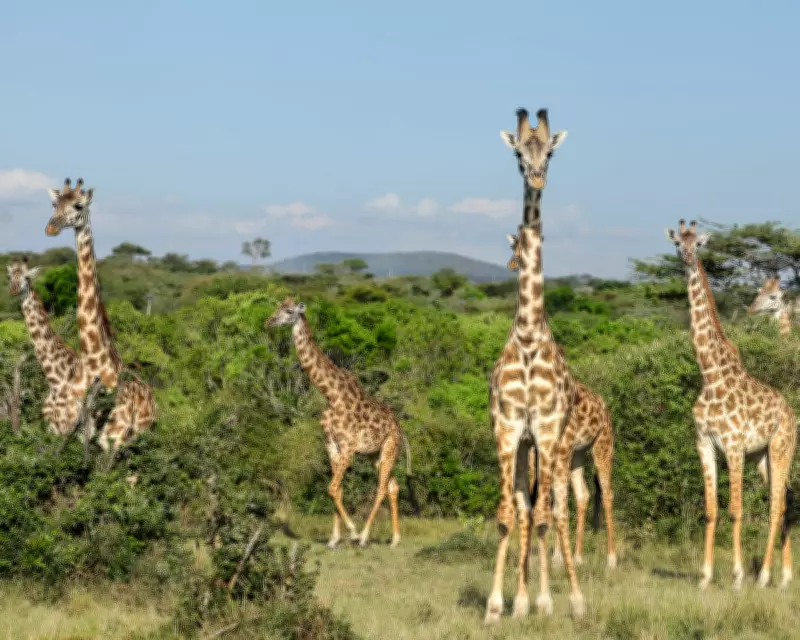
In response to an article by Cal Flyn on the myths surrounding trophy hunting, Eduardo Gonçalves and Blair Patrick Schuyler have voiced strong opinions calling for a British ban on imports of hunting trophies. Gonçalves, who spent years undercover in the trophy-hunting industry, noted that hunters' primary motivation is not conservation but addiction to killing. He cited a Sussex man who described shooting lions, elephants, and critically endangered black rhinoceroses as 'like mainlining on heroin.' Since 2020, giraffes have become a favored souvenir among British hunters.
Despite broad political consensus—with Keir Starmer, Kemi Badenoch, and virtually every party agreeing on banning trophy-hunting imports—the legislation has not been enacted. A private member's bill passed the Commons unanimously in 2023 but was blocked by a dozen unelected, pro-hunting Lords. The US gun lobby reportedly spent over £1 million to thwart the bill. Gonçalves revealed that after meeting ministers and officials, the government will not announce a bill in the next king's speech, despite Labour's manifesto promise, disappointing those who recall the pre-election slogan 'A vote for Labour is a vote for animals.'
Sir David Attenborough has criticized trophy hunting, calling it a 19th-century practice that should have been outgrown. Eight out of 10 UK voters agree with him. Since Cecil the lion was killed by an American dentist in Zimbabwe over a decade ago, 10,000 lions have been shot by trophy hunters, many British. Africa's remaining lion population is estimated at only 23,000. The Department for Environment, Food and Rural Affairs drafted a trophy import prohibition bill three years ago, and Gonçalves urges the government to bring it to parliament.

Blair Patrick Schuyler, a research specialist for Peta, argues that trophy hunting is not conservation but cruelty disguised as environmental concern. Killing wildlife destabilizes populations, disrupts social structures, and undermines non-lethal conservation efforts. Claims that trophy hunting funds conservation collapse under scrutiny: an independent study across several African nations found that nature-based tourism, including photo safaris, significantly contributes to national development, while trophy hunting accounts for just 1.8% of tourism revenue. Schuyler describes trophy hunting as deeply neocolonial, with wealthy outsiders exporting body parts as souvenirs of domination while communities bear the ecological and moral costs. True conservation, he says, rejects domination and embraces coexistence through habitat protection, non-lethal conflict mitigation, and respect for all species.