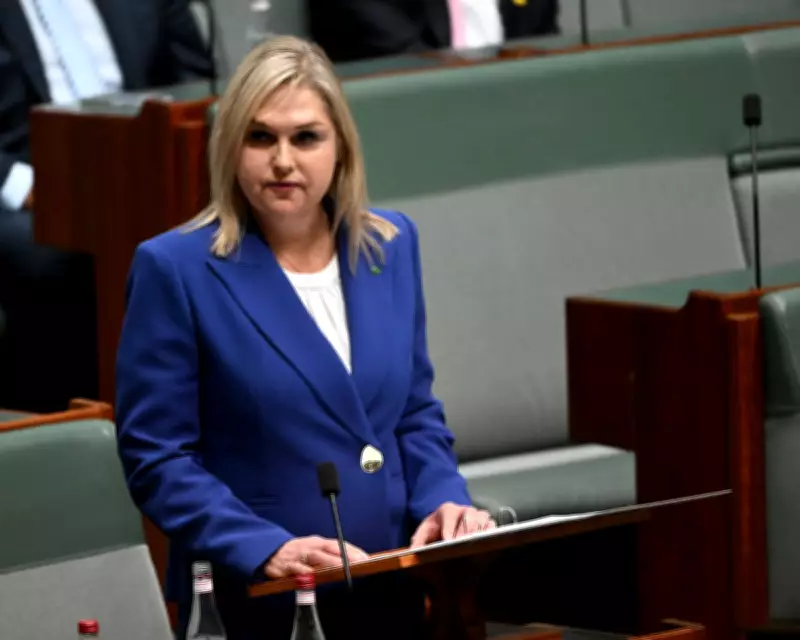
Australian Liberal Party Approves Gender Quotas to Enhance Female Representation
The Australian Liberal Party has made a historic decision by adopting gender quotas aimed at increasing the number of women in parliament. This move represents a significant policy shift for the party, which has traditionally resisted such measures, and is designed to address long-standing gender imbalances in political representation.
Details of the Quota System
The newly approved quota system mandates that a specific percentage of candidates in future elections must be women. While the exact figures are still being finalized, party officials have indicated that the quotas will be implemented gradually to ensure a smooth transition and to encourage broader participation from female candidates across various constituencies.
This initiative follows years of internal debate and pressure from advocacy groups, who have highlighted the underrepresentation of women in the Liberal Party compared to other major political parties in Australia. Supporters argue that gender quotas are essential for promoting diversity, improving decision-making, and reflecting the demographics of the Australian population more accurately.

Implications for Australian Politics
The adoption of gender quotas by the Liberal Party is expected to have far-reaching effects on the political landscape in Australia. It may lead to increased competition for seats, as more women enter the political arena, and could influence policy priorities, particularly in areas such as healthcare, education, and social welfare, where female perspectives have often been underrepresented.
Critics of the quotas, however, express concerns about potential tokenism and the risk of overlooking qualified male candidates. They argue that merit should remain the primary criterion for candidate selection. Despite these objections, party leaders have emphasized that the quotas are part of a broader strategy to foster inclusivity and to ensure that the Liberal Party remains relevant and responsive to contemporary societal values.
This development aligns with global trends, where many political parties worldwide have implemented similar measures to boost gender equality. In Australia, other parties have already adopted quotas, and the Liberal Party's decision is seen as a catch-up effort to modernize its approach and appeal to a wider voter base, especially among younger and female demographics.
As the party moves forward with implementing the quotas, it will need to address logistical challenges, such as candidate training and support systems, to ensure the success of this initiative. The long-term impact on election outcomes and party dynamics remains to be seen, but this step marks a pivotal moment in the Liberal Party's history and its commitment to gender parity in politics.