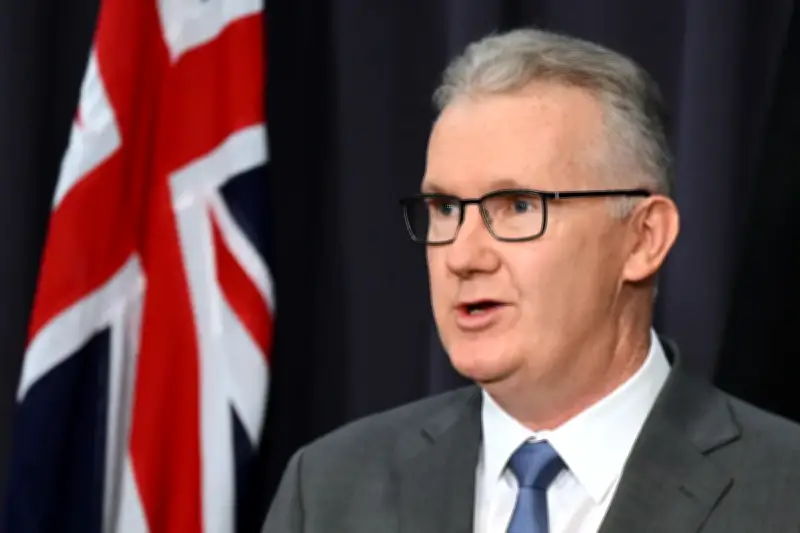
Long-anticipated changes to Australia’s immigration system will be unveiled today, with foreign students facing strict limits on their ability to bring family members into the country. Home Affairs Minister Tony Burke will announce the package at the National Press Club, following a delay of more than a month from the originally scheduled speech.
The measures are designed to reduce net overseas migration (Nom) while aiming to cause the least possible harm to the economy. Burke’s speech is titled: “The work of managing the migration program: Who arrives, who stays, who leaves”.
Shift from demand-driven visa settings
The plan will change some visa category rules away from the demand-driven settings introduced during the Howard government. This shift is intended to give the government more control over the numbers of people entering and leaving the country.

Under the new approach, certain visa categories will no longer automatically grant places based on application numbers. Instead, the government will have greater capacity to manage inflows and outflows according to policy priorities.
Legislative and regulatory options
The Labor government plans to use legislation to gain stronger control over arrival numbers. However, if it cannot secure agreement in Parliament, it could fall back on regulation and directives issued to departmental officials.
This dual-track strategy allows the government to proceed with the changes even in the absence of legislative support, ensuring that the migration system can be adjusted without unnecessary delays.
Impact on students and migration numbers
The restrictions on student visa holders bringing family members are expected to significantly affect the number of dependants entering Australia. While the exact figures were not disclosed, the government’s goal is to lower overall migration numbers, which have been a point of political debate.
By targeting the student visa pathway, the government aims to balance economic needs—such as the demand for skilled workers—with public concerns about housing and infrastructure pressures linked to high migration levels. The changes are part of a broader effort to make the migration program more responsive to national priorities.