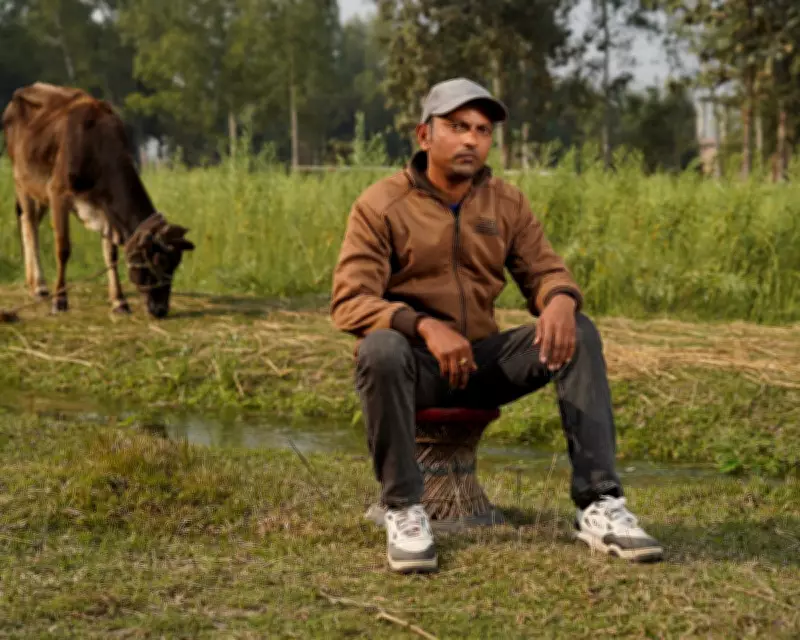
Shrawan Shah Rauniyar, a migrant worker from Nepal, suffered serious injuries when his legs were crushed under a giant metal beam while working on a project for Saudi Aramco in Saudi Arabia. Despite being employed by a labour supply company subcontracted to Saipem, which was contracted by Aramco, he received no compensation and was allegedly threatened and forcibly deported.
FairSquare Report Exposes Labour Abuses
A report by the human rights group FairSquare documents 23 cases of alleged labour rights abuses among workers in Aramco's supply chain. It claims migrant workers are exposed to serious safety and health risks and face significant challenges in claiming compensation for injury or death.
Worker Alleges Threats and Deportation
Rauniyar said Saipem staff visited him in hospital but told him not to ask for compensation. He alleges the labour supply company threatened him, saying, "Go home. Otherwise, we'll kill you." Less than three weeks after the accident, he was forcibly taken to the airport and put on a plane back to Nepal.

Saipem confirmed Rauniyar was injured and said it ensured full medical assistance. Rauniyar holds Aramco partly responsible, stating, "Aramco has become rich selling our sweat and blood."
Widespread Violations
FairSquare's report alleges workers endured extreme heat, shifts up to 19 hours, and "slum housing." Nick McGeehan, FairSquare's director, said, "Aramco has a responsibility to protect these workers... The neglect indicates it takes migrant worker protection no more seriously than the Saudi state."
Aramco, Saudi Arabia's national oil company, is one of the world's most profitable corporations, with a market value of about $1.7tn. It employs over 76,000 people but relies on thousands of contractors and subcontractors, mostly migrant workers from South Asia.
UN Principles and Aramco's Stance
The UN Guiding Principles on Business and Human Rights require companies to prevent abuses throughout their operations. Aramco states online: "The safety and wellbeing of our employees, their dependents, and our company’s contractors is paramount." However, the report finds these commitments are not upheld.
Another Case: Manjay Kumar Sah
Manjay Kumar Sah, a scaffolder for a subcontractor on an Aramco project, collapsed and died. His family received no compensation from Saudi Arabia. His death certificate classified it as "natural," a catch-all term that allows employers to avoid paying compensation. Sah's brother said no one took responsibility.
Babita Sah, Manjay's widow, said, "We've lost our breadwinner. Life has become very difficult." The only compensation came from insurance schemes in Nepal.
Aramco's Response
Aramco stated: "Safety and wellbeing is a core value... Our project guidelines contribute to supporting safe working conditions." It said it introduced a programme to support contractor workforce wellbeing. Saipem said it takes health and safety seriously and strives to act responsibly.
Rauniyar now lives in Nepal, unable to work due to his injuries. He relies on his wife's teaching salary and small tuition fees. "My life has collapsed," he said.