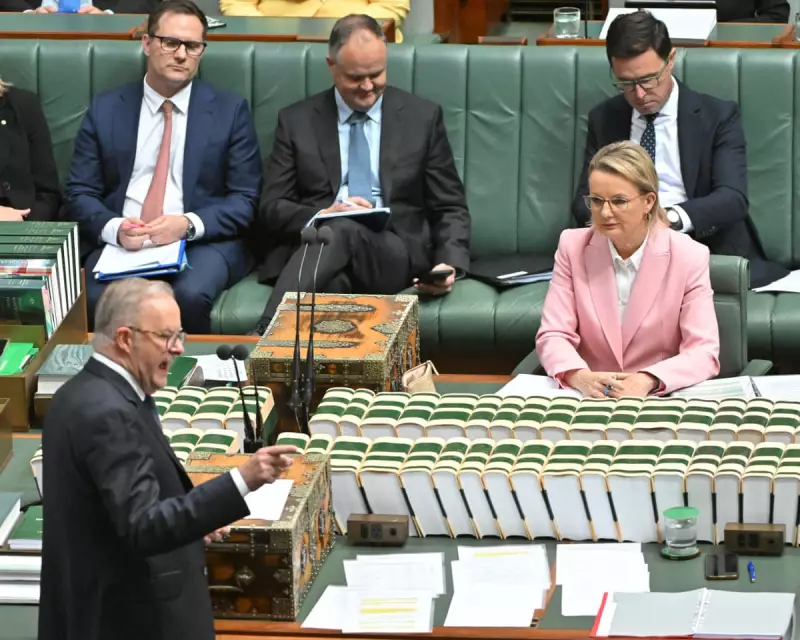
The Australian federal parliament is set to reconvene ahead of schedule, with MPs expected in Canberra before Australia Day, as the Albanese government moves swiftly to enact a dual legislative response to the Bondi beach atrocity.
Emergency Legislation in Response to Bondi Attack
Prime Minister Anthony Albanese confirmed parliament would be recalled, bypassing the scheduled 3 February return date. The urgent session will focus on two key reforms promised after the 14 December mass shooting: a significant crackdown on extremist rhetoric and tighter national firearm controls.
The proposed hate speech legislation aims to target so-called "hate preachers" and organisations that promote violence or racial hatred. The new laws will create offences for leaders who incite violence and establish a regime to list groups whose rhetoric crosses into dangerous territory. Furthermore, the government intends to outlaw "serious vilification" based on race and create an aggravated offence for adults who radicalise children.
Attorney General Michelle Rowland highlighted the urgency last month, noting that almost half of the 33 individuals currently before the courts on terrorism charges are minors.
National Gun Buyback and State-Level Controls
Alongside the hate speech crackdown, the government will introduce legislation to co-fund the largest national firearm buyback scheme since the Port Arthur massacre in 1996. The federal government will split the costs 50:50 with state and territory administrations.
This buyback is designed to work in tandem with stricter gun controls, which state leaders agreed to implement following an emergency national cabinet meeting. New South Wales Premier Chris Minns has already acted, passing laws before Christmas that limit individuals to owning four firearms, with higher allowances for farmers and sports shooters. The federal government is pushing all other states and territories to pass similar legislation no later than 1 July.
Political Divides Over Response Priorities
The government's legislative agenda faces a mixed political reception. While the Greens support tougher gun laws, the Coalition appears divided. The Nationals have signalled potential resistance to tighter gun controls, which could influence the federal Coalition's stance.
Opposition Leader Sussan Ley stated she would give the proposed laws a "sensible look" but argued that gun control was "not the main game". Instead, the Coalition is preparing to intensify its campaign for a federal royal commission into antisemitism, inspired by the political tactics that led to the banking royal commission in 2017.
Ley declared the opposition would "leave no stone unturned" to pressure the government into calling the inquiry, stating they were prepared to drag the Prime Minister "kicking and screaming" if necessary.
Treasurer Jim Chalmers reiterated the government's focus on "urgent and immediate" actions, which include the new laws, a review of intelligence agencies, and responding to existing antisemitism reports. He acknowledged the calls for a royal commission came from a good place but confirmed the government's position remained unchanged.
The early recall of parliament sets the stage for a contentious political period, with the government prioritising swift legislative action while the opposition seeks to shift the focus towards a broader inquiry into societal hatred.