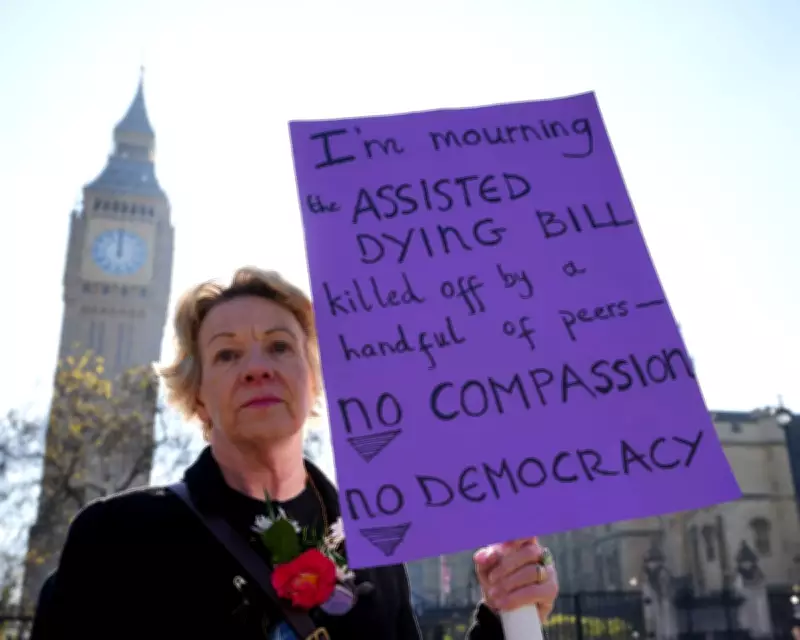
The assisted dying bill, which would allow terminally ill adults to end their lives with medical assistance, has been blocked in the House of Lords after peers argued that it lacked a democratic mandate. The legislation, which had been passed by the House of Commons with a significant majority, was met with fierce opposition in the upper chamber, where critics contended that such a profound change in the law should not be rushed through without broader public consultation.
Peers Raise Concerns Over Process
During a heated debate, several peers expressed concern that the bill had not been subject to sufficient scrutiny and that the government had not demonstrated a clear electoral mandate for the change. Lord Falconer, a former Labour lord chancellor, argued that while he personally supported assisted dying, the process had been flawed. “This is a matter of life and death, and we must ensure that any change in the law commands the confidence of the public and the medical profession,” he said.
Opponents of the bill also highlighted potential risks to vulnerable people, including those with disabilities or mental health conditions, who might feel pressured to end their lives. Baroness Finlay, a professor of palliative medicine, warned that the bill could lead to a “slippery slope” where the criteria for assisted dying are gradually expanded.
Supporters Vow to Continue Fight
Supporters of the bill, however, insisted that it had been thoroughly debated and that the Commons vote represented the will of the people. They argued that the Lords was overstepping its role by blocking legislation that had been democratically approved. “The House of Lords should not be allowed to veto a bill that has been passed by an elected chamber,” said Sarah Wootton, chief executive of Dignity in Dying, a campaign group that supports assisted dying.
The bill would have allowed terminally ill adults with less than six months to live to request and receive lethal drugs, subject to approval from two doctors and a High Court judge. Similar laws have been enacted in several other countries, including Canada, Australia, and parts of the United States.
The government has indicated that it will not seek to overturn the Lords’ decision in this parliamentary session, but campaigners have pledged to continue their efforts to change the law. The issue is expected to feature prominently in the next general election campaign.