
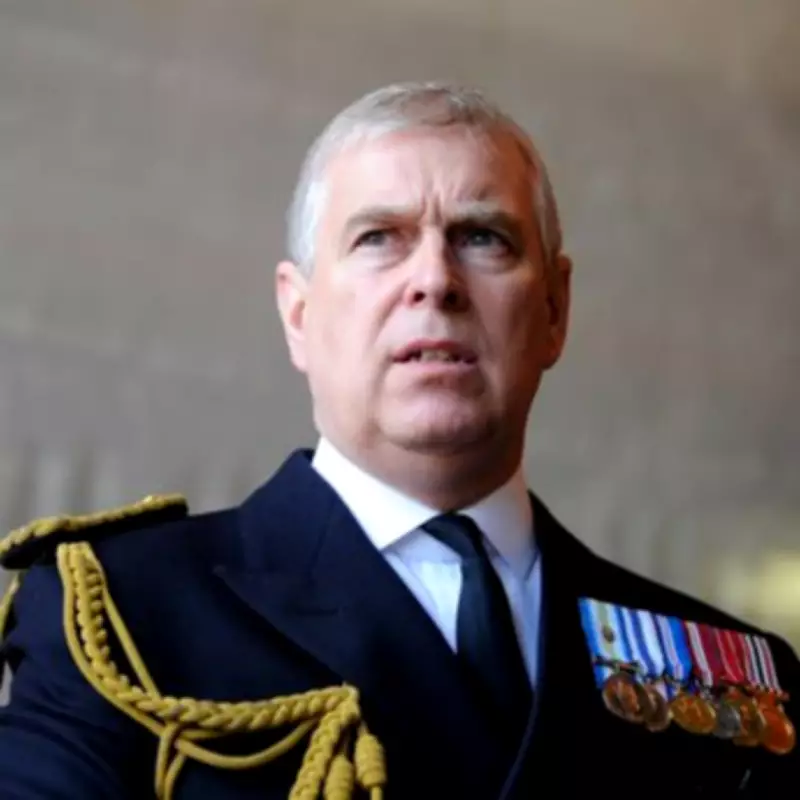
Government Considers Historic Legislation to Remove Andrew from Royal Succession
The British government is preparing to consider unprecedented legislation that could permanently remove Prince Andrew from the line of succession to the throne, according to official sources. This move follows ongoing police investigations into serious allegations against the King's younger brother, who remains eighth in line despite being stripped of his royal titles last year.
Parliamentary Action Required for Constitutional Change
An Act of Parliament would be necessary to formally remove Andrew Mountbatten-Windsor from the royal succession and prevent any possibility of him ascending to the throne. The Starmer administration has confirmed it will examine introducing such legislation once Thames Valley Police complete their current investigation into the former Duke of York.
Chief Secretary to the Treasury James Murray stated publicly: "The government is considering any further steps that might be required, and we're not ruling anything out. However, at this stage, it would be inappropriate for us to go any further because there is a live police investigation under way."
International Implications of Succession Changes
Any modification to the British line of succession would require agreement from all fourteen Commonwealth realms where King Charles serves as head of state. These nations include Australia, Canada, Jamaica, New Zealand, and several Caribbean countries. The constitutional complexity reflects the global nature of the modern monarchy and the need for international consensus on royal succession matters.
Police Investigation and Recent Developments
The consideration of succession legislation follows Andrew's dramatic arrest on Thursday on suspicion of misconduct in public office. He was detained for eleven hours before being released under investigation. Detectives have continued searching his former residence, Royal Lodge in Windsor, as part of their ongoing inquiry.
The investigation intensified following the release of millions of documents related to convicted paedophile financier Jeffrey Epstein by the US Department of Justice. While Andrew has consistently denied wrongdoing regarding his Epstein connections, he has not directly addressed the most recent allegations.
King Charles issued a formal statement following his brother's arrest, emphasizing that "the law must take its course" and confirming that police have "our full and wholehearted support and co-operation."
Historical Context and Previous Actions
Andrew's arrest marked the first time in modern history that a senior royal has been taken into custody. The incident occurred on his 66th birthday, with allegations centering on whether he shared sensitive information with Epstein during his tenure as UK trade envoy.
The King had already removed Andrew's prince and Duke of York titles in October, following his brother's withdrawal from public duties in 2019 after a disastrous Newsnight interview about his Epstein association. This earlier action meant Andrew ceased functioning as an active counsellor of state, who can deputize for the monarch during official absences or illness.
Ongoing Police Inquiries and International Cooperation
Thames Valley Police, leading the investigation, have yet to receive "early investigative advice" from the Crown Prosecution Service regarding the allegations. Detectives have reportedly asked Andrew's former close protection officers to review whether anything they observed during their service might be relevant to the Epstein investigation.
Meanwhile, the Metropolitan Police confirmed they are collaborating with American counterparts to determine whether London airports were used to "facilitate human trafficking and sexual exploitation." The force noted that no new reports of alleged sexual offenses have emerged since the Epstein document release.
Previous inquiries examined whether protection officers turned a "blind eye" to Andrew's visits to Epstein's private Caribbean island, Little St James, though police have identified no wrongdoing by security personnel thus far.
Legal and Constitutional Significance
Removing Andrew from the line of succession would formally resolve any remaining questions about his potential role as counsellor of state, since these positions are drawn from the succession order. The proposed legislation represents a significant constitutional development that would permanently alter royal inheritance protocols based on conduct rather than birthright alone.
The situation continues to evolve as police complete their investigation and the government prepares potential legislative responses to address both the immediate allegations and their long-term implications for the monarchy's future structure and public standing.




