
Royal Lawbreakers: A History of British Monarchy's Legal Troubles
The arrest of Andrew Mountbatten-Windsor this morning has shocked many, but it is far from the first time a member of the British royal family has faced the judiciary. Throughout history, the monarchy has been entangled in legal controversies, ranging from illegal gambling and motoring offences to even execution. This article delves into the notable run-ins with the law that have marred the royal lineage.
Charles I: The Beheaded Tyrant
The last arrest of a British royal before today occurred over 350 years ago with Charles I. Captured in 1647 after his defeat in the English Civil War by parliamentary forces, Charles I was a staunch believer in the divine right of kings. He led a tyrannical reign, refusing to acknowledge parliament's authority in governance and religious matters across England and Scotland. Put on trial for high treason, he denied the charges, arguing that no court had jurisdiction over his God-given power. Found guilty, Charles I was beheaded in 1649, making him the only monarch formally executed by the state. His final words were: "I go from a corruptible to an incorruptible crown, where no disturbance can be, no disturbance in the world."
King Edward VII: The Gambling Prince
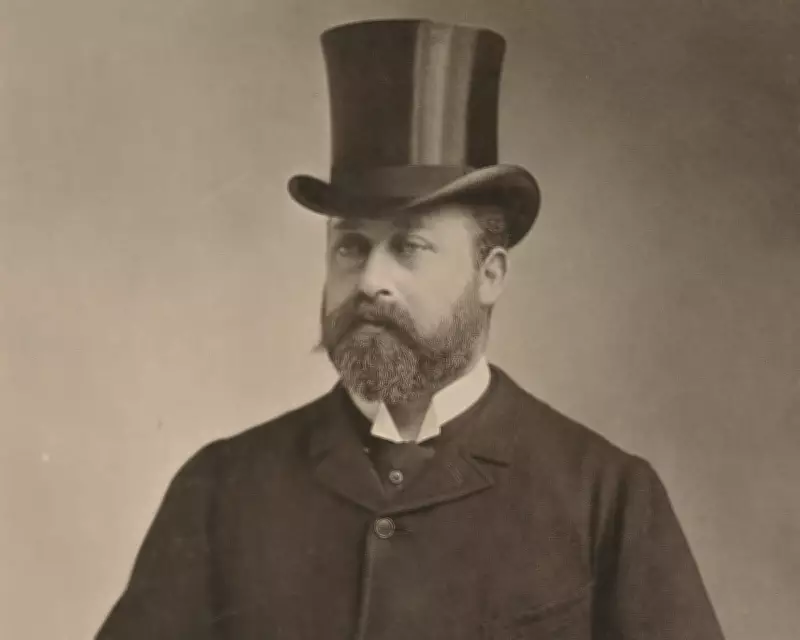
Known as a playboy with a taste for gambling, drinking, and women, King Edward VII, while still Prince of Wales, found himself in court in 1890. He was questioned as a witness during the trial of the baccarat scandal, an illegal gambling game held at the residence of one of England's wealthiest men. The case, a Victorian melodrama shrouded in mystery, involved accusations of cheating among players. When rumours spread, one player denied the allegations and accused others of slander. The issue escalated to the high court, where Prince Edward's testimony caused a national scandal, damaging his public reputation. He was the last royal to stand in a courtroom before Prince Harry appeared in the same court 130 years later.
Princess Anne: The Speeding Royal
Princess Anne has a notorious record for motoring offences. At age 21, she received a written warning for speeding up to 90mph on the M1. Five years later, she was fined £40 at Alfreton magistrates court for driving at 96mph in a 70mph zone in Derbyshire. In 1990, she was banned from driving for a month and fined £150 at a magistrates court in Stow-on-the-Wold, Gloucestershire, after admitting to two speeding offences, claiming she was late for an engagement. In 2001, Anne was fined £400, ordered to pay £30 in costs, and given five penalty points for speeding at 93mph in her Bentley, mistakenly thinking a police car was a royal escort. Her legal troubles extended beyond driving; in 2002, she pleaded guilty under the Dangerous Dogs Act after her bull terrier bit two children, resulting in a £500 fine and compensation orders.
Prince Philip: The Reckless Driver
Reckless driving seems to run in the royal family. In 2019, Prince Philip, then 97, was involved in a car crash near the Sandringham estate in Norfolk. His Land Rover collided with another vehicle while pulling out from a driveway on the A149, flipping his car. Philip escaped unhurt, but the other driver and passenger were hospitalised and later discharged. Both drivers passed breath tests. After the incident, Philip surrendered his licence, but the Crown Prosecution Service decided against prosecution.
Prince Charles: The Questioned Witness
Two decades after Diana, Princess of Wales, died in a car crash, it was revealed that Prince Charles had been questioned over allegations of plotting her death. In 2021, the Daily Mail reported that former Metropolitan police commissioner John Stevens disclosed Charles was interviewed as a witness in 2005 during a three-year investigation into Diana's 1997 death. The questioning centred on a note Diana wrote, speculating she would be killed so Charles could marry their sons' former nanny, amid false rumours of an affair. Charles was not considered a murder suspect, and Stevens stated no evidence linked him to Diana's death.
This history underscores that royal encounters with the law are not new, highlighting a pattern of controversies that continue to shape public perception of the monarchy.




