
The £289 Teddy Bear and the Fading Royal Mystique
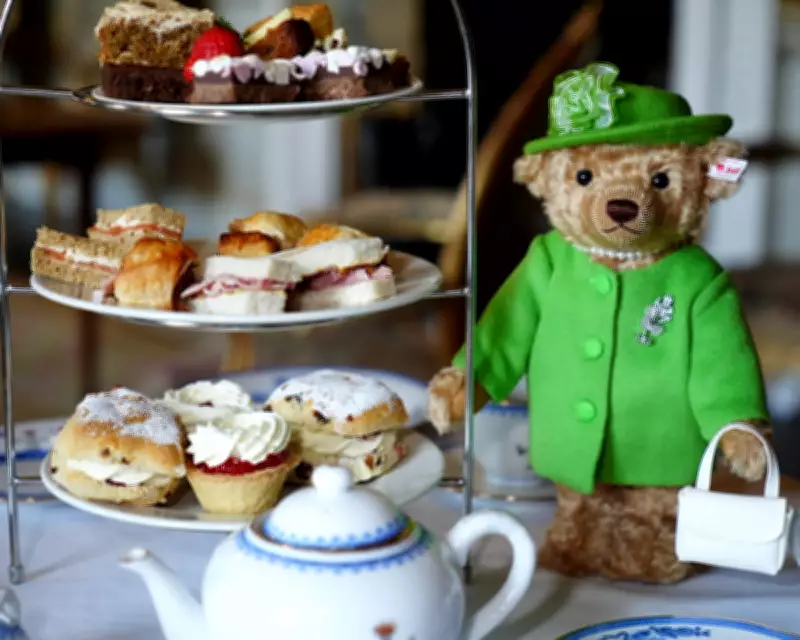
A limited-edition Queen Elizabeth II commemorative teddy bear, standing 30cm tall and crafted from premium mohair, retails for £289. Dressed in the late monarch's signature lime-green ensemble with a white handbag draped over its left paw, this collectible item from retailer Galerista represents what managing director Nicolas Metz calls "how we all remember her." This anthropomorphic souvenir embodies the complex relationship between the British public and their longest-reigning monarch—cuddly, relatable, yet entirely inanimate, serving as a vessel for national veneration and imagination.
The Parasocial Relationship with a Monarch
For millions who never met her, Queen Elizabeth II functioned as a blank canvas for projecting national narratives. She represented Britain's original parasocial relationship, intensifying in death as mourners queued for hours to view her coffin, treating her as a cherished family member. Even republicans often distinguished between criticizing the institution and the 96-year-old great-grandmother, revealing a nation captivated by the concept of an infallible monarch.
The commercial exploitation of this reverence continues unabated. Recent BBC documentaries like Her Story, Our Century feature celebrities including Barack Obama and David Attenborough reinforcing royal mythology. New biographies by Robert Hardman and Hugo Vickers attempt to extract remaining capital from a life already exhaustively examined. These works frequently emphasize "duty"—to country, office, people, and institution—yet conspicuously avoid addressing duty to Jeffrey Epstein's victims, despite Prince Andrew's close association with the convicted sex offender and the queen's role in funding his multimillion-pound settlement.
Shifting Public Sentiment and Institutional Crisis
While Elizabeth II remains popular posthumously, support for the monarchy itself has plummeted to historic lows. The National Centre for Social Research recorded the weakest backing since records began, with a February Savanta poll showing only 45% of Britons preferring monarchy over an elected head of state. This decline coincides with Prince Andrew's scandals and his arrest, which he denies involved wrongdoing.
The centenary commemorations feel surprisingly subdued, reflecting an institution in "skinny mode" amid ongoing controversies. Media reports suggest Prince William plans a smaller, more efficient monarchy upon becoming king, akin to a disciplinarian manager overhauling a struggling football club. These discussions highlight a deeper identity crisis: if Elizabeth II symbolized constancy and dignity, what defines the current Windsor house, with its propensity for scandal?
The Illusion of Power and the Path Forward
Historically, the monarchy represented power, then decorum, then relatable entertainment, then virtue. None of these avenues remain fully accessible today. Yet the institution must maintain its elaborate illusions with a straight face, preserving the mystique that compels a modern society to, as Thomas Paine noted, "promiscuously worship the ass and the lion."
For over seventy years, through political maneuvering and strategic adaptations like Paddington Bear skits, Elizabeth II sustained the monarchy. Her passing has exposed the precariousness of that path. "We have to be seen to be believed," she reportedly once said. As visibility fades, the future of the British monarchy hangs in the balance, testing whether the institution can survive beyond the era of its most iconic figure.




