
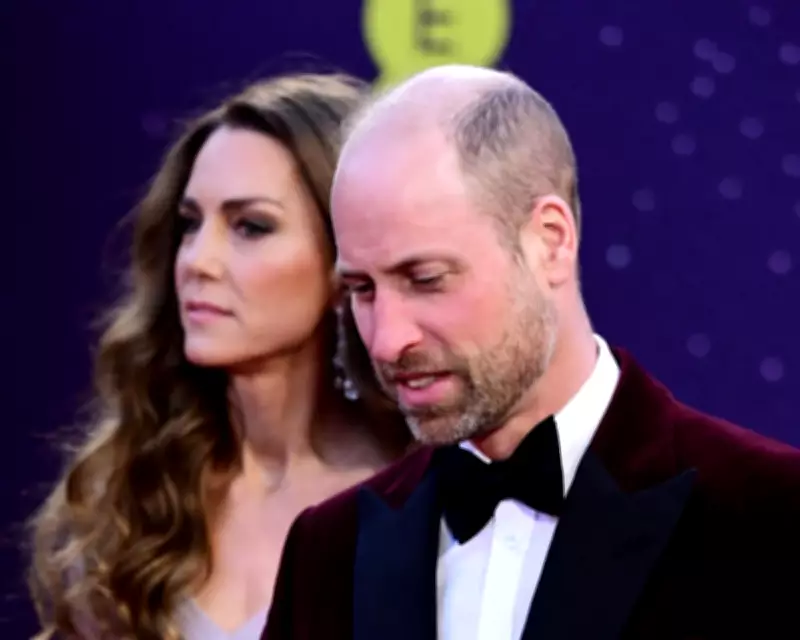
Prince William's Bafta Moment Signals End of Political Silence in Entertainment
In a striking departure from long-standing norms, Prince William, the Prince of Wales, made headlines at the 2026 Bafta ceremony with a candid admission that resonated far beyond the glitz of the red carpet. Traditionally, award ceremonies have operated under an unspoken rule: keep politics at bay to maintain a focus on celebration and artistry. However, recent events have shattered this convention, as public figures increasingly use their platforms to address pressing issues.
The Breaking of a Silent Agreement
For decades, it was accepted that politics and controversy had no place near podiums or red carpets. This silent agreement ensured that sports and showbiz remained separate from the 9-to-5 world of political discourse. Yet, as Prince William demonstrated at the Baftas, the outside world now intrudes on every aspect of public life. His explanation for not watching the winning film, Hamnet—citing a need for calm amidst personal disquiet—sparked widespread speculation and debate.
While some might criticize him for not fulfilling his duties as Bafta president, others saw his remarks as a medium-graceful acknowledgment of the turmoil surrounding the royal family, including the arrest of Andrew Mountbatten-Windsor and growing public scrutiny. In an era where silence is often expected, William's one-squeak moment stood out, highlighting how even the monarchy is not immune to the pressures of modern times.
Award Ceremonies as Political Arenas
The 2026 Grammys earlier this month served as another example of this cultural shift. Celebrities made overt statements in support of immigrants, with Billie Eilish declaring, "nobody's illegal on stolen land," and Bad Bunny calling for ICE to be abolished. What was once considered controversial has become entry-level activism, reflecting a society where entertainment and politics are increasingly intertwined.
This trend extends to sports as well. The Olympic rulebook, with its strict ban on demonstrations or propaganda, now seems outdated. Ukrainian skeleton athlete Vladyslav Heraskevych defied these rules with protests against the war in Ukraine, only to be banned, while a Norwegian biathlete's personal scandal captured global attention. The contrast underscores how the lines between meaningful protest and trivial drama have blurred, forcing audiences to navigate a complex landscape.
The Broader Implications for Public Figures
Prince William's Bafta moment is not an isolated incident but part of a larger movement where public figures are expected to engage with political and social issues. As award ceremonies become more interesting—and contentious—the old curse of living in "interesting times" takes on new meaning. This shift challenges traditional institutions, from the monarchy to sporting bodies, to adapt to a world where silence is no longer an option.
In conclusion, the breaking of political silence at events like the Baftas and Grammys reflects a societal transformation where entertainment and activism converge. Prince William's remarks, while vague, signal a recognition that even in the kingdom of the silent, voices must now be heard, reshaping how we view public discourse in the 21st century.




