
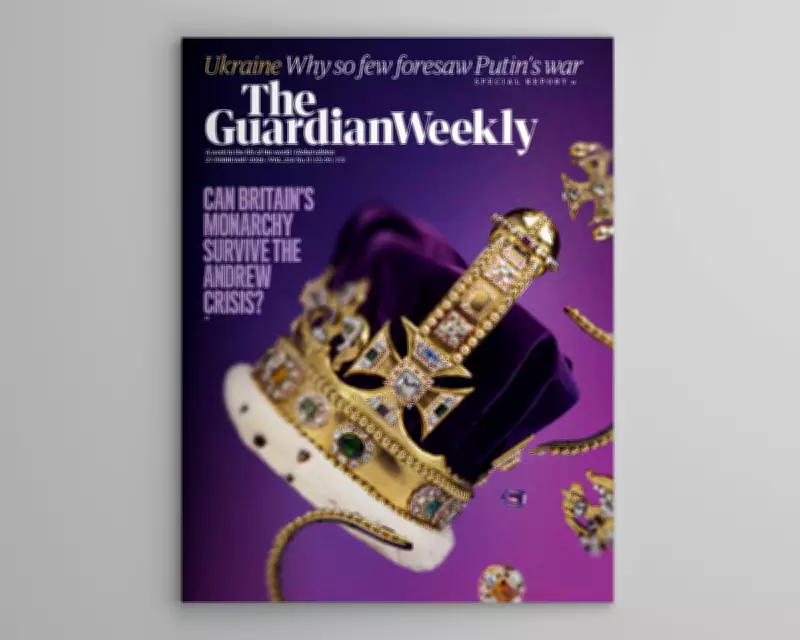
Monarchy in Crisis: Andrew Scandal Rocks Royal Family's Future
The arrest of Prince Andrew last week, following explosive allegations that he shared confidential information with the late convicted sex offender Jeffrey Epstein, has sent seismic shockwaves through the British establishment and across the globe. This unprecedented event marks one of the most consequential moments for the monarchy in generations, fundamentally shattering the traditional aura of royal mystique and deference that has long insulated the institution from public scrutiny.
A Day of Reckoning for the Crown
What happens next remains profoundly unclear, but the ramifications will extend far beyond the former prince himself, who has consistently denied any wrongdoing related to Epstein. The image of Andrew Mountbatten-Windsor, slumped in the back of a car outside a Norfolk police station, stands in vivid and stark contrast to the square-jawed, noble visage of his younger years. This visual transformation symbolizes a dramatic fall from grace that academics like Fay Bound-Alberti analyze as a shift from a "branded icon of nobility" to a "trapped image of shame and ruin."
In a powerful essay featured in this week's Guardian Weekly, royal historian Stephen Bates poses the critical question: Can the British monarchy survive this unfolding scandal? The crisis raises urgent issues of accountability, transparency, and whether the royal family should have acted much sooner to address the mounting allegations. The traditional buffers of deference and mystique that have protected the crown for centuries now appear dangerously thin.
Broader Implications and Essential Reads
This edition of the Guardian Weekly delves deep into this constitutional earthquake while also exploring other pressing global issues. The magazine examines the limits of presidential power in the United States, with Ed Pilkington reporting on how the Supreme Court's ruling against Donald Trump's tariffs represents a major setback for the administration. In health coverage, Julia Kollewe investigates why big pharmaceutical companies stand to gain enormously from new weight-loss pills, with the obesity treatment sector predicted to be worth a staggering $200 billion by the end of this decade.
A remarkably detailed special report by Shaun Walker draws on more than 100 interviews with senior intelligence officials to explain how Western agencies obtained Vladimir Putin's Ukraine invasion plans—and why so few believed the warnings before the war began. This piece offers crucial insights into intelligence failures and geopolitical miscalculations that have reshaped Europe's security landscape.
Cultural and Social Perspectives
The edition also features thought-provoking cultural analysis, including James Balmont's exploration of why British bands like Swim Deep play to crowds of hundreds at home but perform for tens of thousands in China. In opinion, Jason Okundaye tackles the dilemmas facing young people today: whether to pursue a degree and accumulate heavy debt when graduate jobs are shrinking, or forgo higher education knowing that society still worships academic credentials.
Other highlights include Simon Hattenstone's staggering interview with Labour MP Naz Shah, which provides a deeply personal account of her traumatic early life that culminated in her mother's murder conviction. The piece charts a story of overcoming profound adversity that resonates with broader themes of resilience and social mobility. Additionally, Graham Snowdon profiles actor Robert Aramayo, whose Bafta award for his role as a man with Tourette syndrome in "I Swear" highlights why arts funding matters so much in communities often described as "left behind."
This comprehensive edition demonstrates how the Andrew scandal intersects with wider questions about institutions, power, and accountability in contemporary society. The monarchy now faces its most severe test in decades, with the outcome likely to reshape Britain's constitutional landscape for generations to come.




