
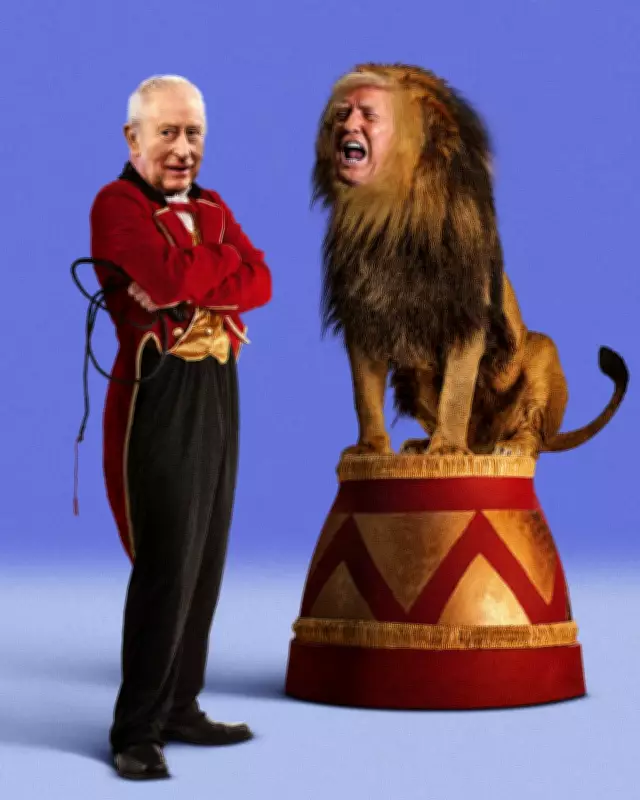
Royal Diplomacy Faces Ultimate Test in Washington
As King Charles prepares for his upcoming state visit to Washington at the end of this month, royal observers are asking whether centuries of diplomatic tradition can withstand the unpredictable nature of modern American politics. The visit, directed by Prime Minister Keir Starmer, represents a calculated gamble to strengthen the battered special relationship between the two nations.
The Unpredictable Dance of Diplomacy
Charles brings decades of diplomatic experience to what may become the most consequential overseas excursion of his reign. The monarch's greatest asset remains the soft power of the crown - that unique ability to charm foreign governments and reinforce Britain's position as a reliable ally. However, this traditional approach faces unprecedented challenges with a Trump administration that has shown little patience for protocol or conventional diplomacy.
The president has already breached royal protocol twice this week, referring to Charles as "prince" rather than king and prematurely revealing the visit dates of April 27-30. Such breaches, while seemingly minor, signal the potential for more significant diplomatic missteps during the carefully choreographed state visit.
Historical Precedents and Modern Challenges
Royal visits to America have historically served as powerful tools for strengthening transatlantic bonds. In 1939, King George VI and Queen Elizabeth's visit helped improve Anglo-American relations just months before World War II began. The future queen mother famously wrote home about eating "things which I think are called hot dogs," demonstrating the approachability that endeared the royal couple to American audiences.
More recently, Elizabeth II maintained diplomatic composure through 14 American presidencies, from Truman to Trump. Her legendary patience was tested during Trump's 2019 state visit when he barged past her during a guard inspection at Windsor Castle. The late queen reportedly considered this behavior "very rude," while Trump believed he had become her favorite president.
The Contemporary Diplomatic Landscape
The current visit occurs against a complex backdrop of ongoing international conflicts and domestic political pressures. Some advisers had suggested postponing the visit given current global tensions, but this option was rejected to avoid provoking presidential ire. Charles must now navigate this diplomatic minefield while maintaining royal dignity.
The king faces additional challenges beyond the main diplomatic agenda. Palace officials have confirmed he will not meet with Epstein victims to discuss his brother's behavior, citing ongoing police investigations in Britain. This decision, while legally prudent, may attract criticism during the visit.
Looking Beyond the Presidency
Charles can take some comfort in historical perspective. The visit officially commemorates the 250th anniversary of American independence from Britain - an occasion the late queen marked during the bicentennial in 1976. While demonstrators may appear with "No Kings" banners, these protests are likely aimed at Trump's perceived monarchical ambitions rather than the British monarchy itself.
The king may also reflect on George III's surprisingly gracious words to the first American ambassador after independence: "I was the last to consent to the separation but having been made and having become inevitable, I have always said that I would be the first to meet the friendship of the United States as an independent power."
Ultimately, Charles understands that his visit represents engagement with the American people and institutions, not merely with a single president. While Trump faces term limits, the monarchy endures - a reality that provides both perspective and consolation as Britain's head of state prepares for his most challenging diplomatic assignment yet.




