
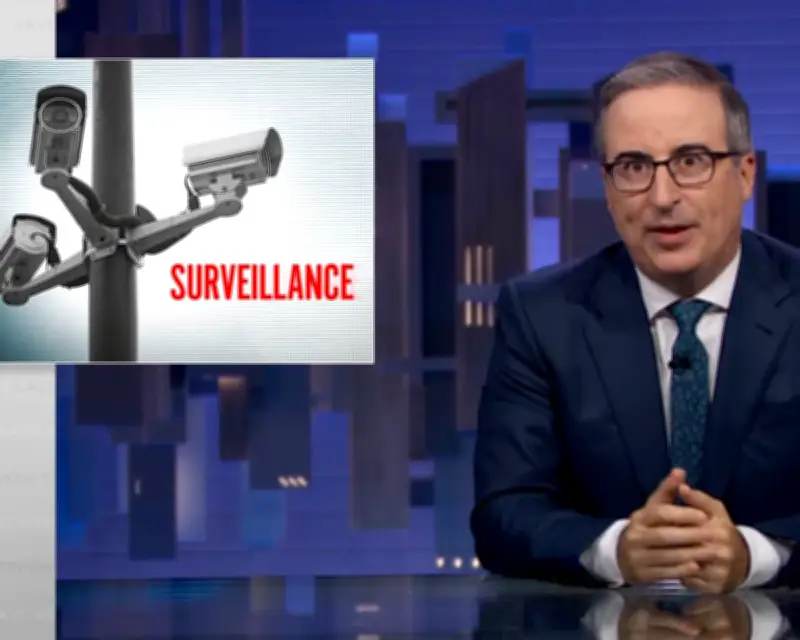
In a recent episode of his HBO show, John Oliver turned his attention to the United Kingdom's extensive use of police surveillance cameras, delivering a scathing critique that has reignited debates over privacy and state oversight. The segment, which aired on August 3, 2026, highlighted the sheer scale of CCTV coverage in Britain, where an estimated one camera exists for every 11 citizens, according to figures cited by the show.
Scale of Surveillance in the UK
Oliver pointed out that the UK is one of the most surveilled countries in the world, with over six million CCTV cameras operating nationwide. He noted that London alone has more cameras than some entire countries, and that the police have access to automatic number plate recognition (ANPR) systems and facial recognition technology that can track individuals in real time.
The comedian mocked the government's justification for such measures, which often cite crime prevention and counter-terrorism. However, he argued that the effectiveness of mass surveillance is questionable, citing studies that show CCTV has little to no impact on reducing crime rates.
Facial Recognition and Ethical Concerns
One of the most controversial aspects highlighted was the use of live facial recognition (LFR) by police forces. Oliver showed footage of police vans equipped with LFR cameras scanning crowds at public events, and he criticized the lack of regulation and oversight. He quoted a report from the Information Commissioner's Office (ICO) that found the technology could lead to 'serious breaches' of data protection laws.
The show also featured interviews with privacy advocates who expressed concerns about the potential for abuse, particularly in light of recent revelations about police using surveillance to track journalists and activists.
Public Opinion and Government Response
Oliver's critique comes at a time when public opinion on surveillance is divided. A poll conducted by YouGov in July 2026 found that 52% of Britons support the use of CCTV in public places, but only 38% approve of facial recognition technology. The government has defended its approach, arguing that surveillance is essential for national security and public safety.
However, the segment has prompted calls for greater transparency and accountability from lawmakers. Shadow Home Secretary, Yvette Cooper, said in a statement: 'The public has a right to know how their data is being used and by whom. We need a robust legal framework that protects privacy while ensuring public safety.'
Impact on Policing and Civil Liberties
The episode has sparked a wider conversation about the balance between security and freedom. Oliver highlighted cases where individuals have been mistakenly identified by facial recognition software, leading to wrongful arrests. He also noted that the technology is disproportionately used in minority communities, raising concerns about racial bias.
Civil liberties groups have welcomed the attention, with Liberty's director, Sylvia Johnson, saying: 'John Oliver has brought this issue to a global audience. The UK's surveillance state is out of control, and we need urgent reform.'
What's Next?
As a result of the show's popularity, an online petition has been launched calling for a parliamentary inquiry into police surveillance practices. Within 48 hours, it had gathered over 100,000 signatures, triggering a potential debate in Parliament.
The UK Home Office has not yet responded officially to the segment, but sources suggest they are preparing a statement to address the concerns raised. Meanwhile, privacy campaigners are planning a rally outside Parliament later this month to demand stricter regulations on surveillance technologies.
John Oliver's segment serves as a reminder that even in established democracies, the tension between security and privacy remains a pressing issue. As technology advances, the debate over how much surveillance is acceptable will only intensify, and the UK's approach will be closely watched by other nations.




