Couple Stunned by Eight-Word Note After Parking Outside New Home
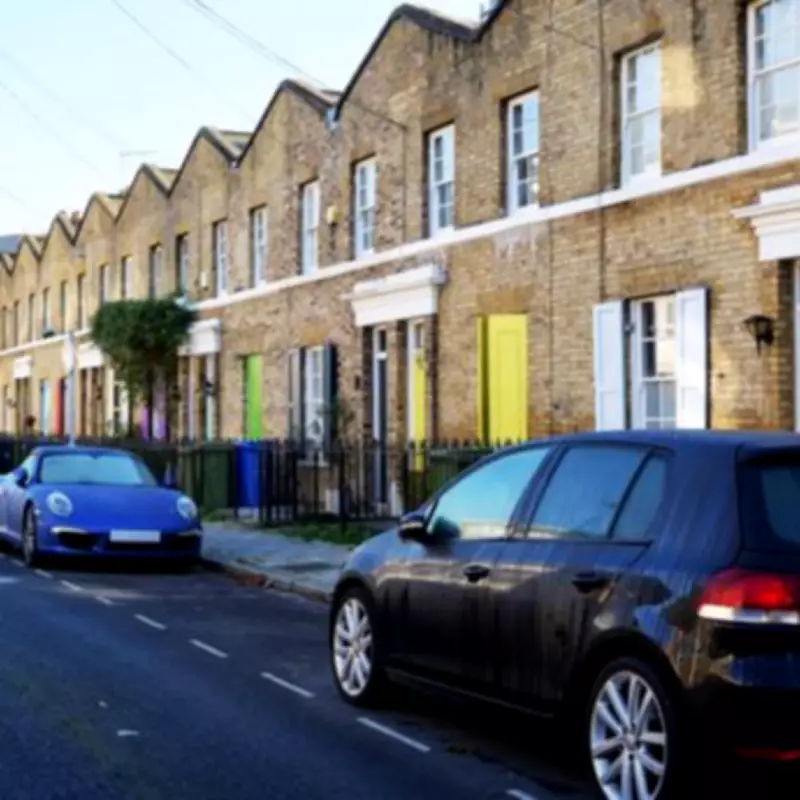
A couple who recently relocated to a terraced house on a street offering only on-street parking were left baffled and surprised after discovering a concise eight-word note attached to their car's windscreen. The incident has sparked a broader discussion about parking etiquette, neighbourly relations, and the legal realities of street parking in residential areas across the United Kingdom.
The Unexpected Discovery
After moving into their new home, the couple, who own just one car between them, faced the common challenge of limited parking options. The driver, who prefers to park wherever is most convenient, typically navigates the back road and fills available spaces along the street. On one occasion, they parked outside a house directly opposite their own, only to be promptly approached by a neighbour who requested they move the vehicle to make way for their partner's imminent arrival. Complying without issue, the driver reversed and relocated the car.
However, the following morning brought a startling revelation. Upon returning to their vehicle, which had been left in the exact spot the neighbour had previously asked them to vacate, they found a handwritten note placed on the windscreen. The message was stark and to the point, consisting of just eight words: "Do not park outside this house again. Thanks." This passive-aggressive communication left the couple both confused and frustrated, questioning the motives behind such territorial behaviour over a public parking space.
Legal Context and Public Reaction
In the United Kingdom, homeowners do not possess any legal right to park directly outside their own property on a public street, unless specific local parking controls or restrictions are in place. According to the RAC, it is perfectly legal to park outside someone's house, provided the vehicle is not blocking a driveway or positioned with a wheel over a dropped kerb. The organisation emphasises that, in areas without parking regulations, drivers cannot claim an automatic or reserved spot in front of their homes, reinforcing the principle of first-come, first-served access.
The couple shared their experience on Reddit, titling their post "Why are people so territorial about on street parking?" They elaborated on their perspective, noting that they personally do not mind where they park and often avoid using the space outside their own house due to a steep gradient that makes reversing challenging. Their post quickly garnered attention, with fellow Reddit users flooding the comments section to share similar stories and opinions.
One user recounted tactics employed by neighbours on their street, such as moving cars off driveways to reserve spaces or illegally placing wheelie bins on the road to save spots. Another admitted to simply moving such bins, even in full view of security cameras, to assert their right to park. However, not all responses were sympathetic. Some commenters questioned why the couple would park outside another house if space was available near their own, suggesting it might cause unnecessary inconvenience. Others expressed mild annoyance at the practice, though they condemned overly possessive attitudes.
Broader Implications and Community Dynamics
This incident highlights a pervasive issue in many urban and suburban communities, where limited parking resources can lead to tension and conflict among residents. Parking disputes are a frequent source of neighbour friction, often stemming from perceived ownership of public spaces, blocking access, or causing minor damages. People can become highly territorial over their preferred parking spots, despite the lack of legal backing for such claims.
The couple's experience serves as a microcosm of these wider societal challenges. They expressed reluctance to engage in petty conflicts but also affirmed their right to park legally in any available spot. Their story underscores the importance of clear communication and mutual respect in maintaining harmonious neighbourhood relations, while also reminding residents of their legal rights and responsibilities regarding on-street parking.
As cities like London continue to grapple with housing density and limited infrastructure, such disputes may become more common. Understanding the rules and fostering a community-oriented approach can help mitigate conflicts, ensuring that public spaces are shared fairly and respectfully among all residents.