
Luton's Regeneration Challenge: Can £1.7bn Overcome 'Worst Place' Reputation?
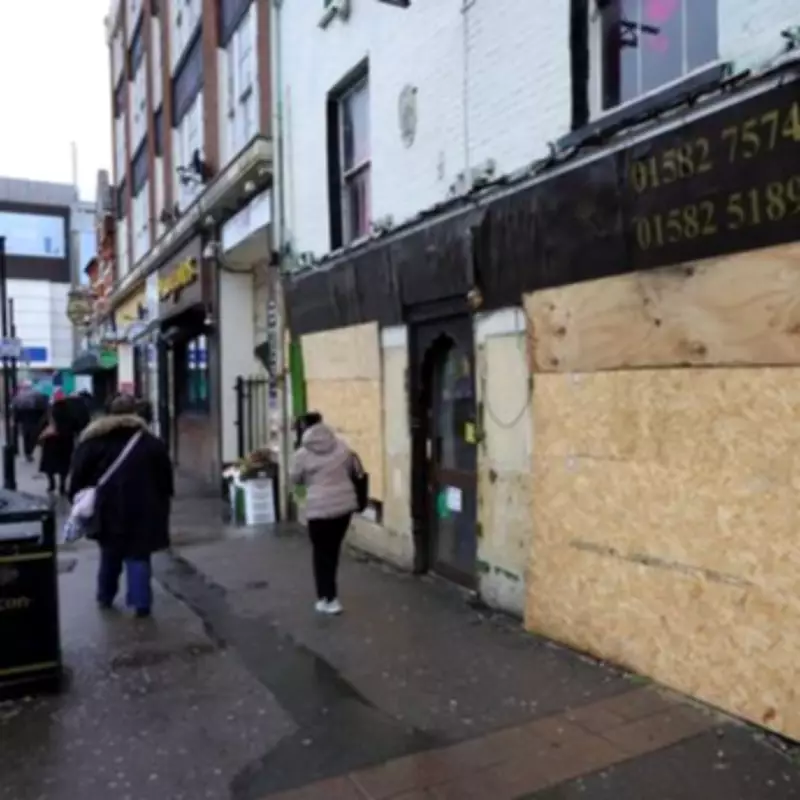
The Bedfordshire town of Luton, frequently appearing on lists of Britain's worst places to live, presents a community deeply divided over whether a massive £1.7 billion regeneration scheme can reverse its fortunes. On a typically grey and drizzly day, residents voiced serious concerns about criminal activity, substance abuse issues, and a lack of employment opportunities that have plagued the area for years.
A Town of Two Contrasting Narratives
What emerges from conversations with locals is a story of two distinct Lutons. On one side, residents grapple with daily challenges of lawlessness and job scarcity. On the other, council leaders express optimism that substantial investment can finally address decades of perceived neglect.
Robert Brodie, a lifelong Luton resident, captured the prevailing frustration when he remarked: "We need to see more money going into the right places." Standing outside one of the town's retail centres, he highlighted the extent of local crime problems by noting: "They've got security outside Greggs now" to prevent theft from the popular bakery chain.
Now retired, Mr Brodie emphasised that insufficient local job opportunities make residents feel overlooked, creating a situation where newcomers are unlikely to move to the area, potentially trapping Luton in what he described as a downward spiral.
Residents Voice Feelings of Abandonment
Edmund Dohwe, 43, expressed residents' sentiments even more directly from his garage on a residential estate. "We feel abandoned," he stated bluntly, adding: "Since the plant closed [Vauxhall's van-making plant closed last April] there are no jobs." Mr Dohwe offered a poignant botanical comparison, describing the town as resembling a plant - "if you do not water it, it dies."
Another resident from the same estate, who requested anonymity, presented an even grimmer perspective. "There's just so much crime, it feels hopeless," she explained, revealing that she no longer feels safe walking the estate after dark and wouldn't permit her children to do so unaccompanied.
Council Leadership Defends Ambitious Plans
Local Labour councillor James Taylor, who leads Luton's ambitious regeneration scheme, strongly rejected this criticism. "I'm sick of people talking the place down," he declared. "Luton has its problems, sure, but finally we have the investment we need to get it back on its feet. We've had 14 years of underinvestment from the Tories. Now we have more than a billion to reinvest in the town."
The funding Councillor Taylor referenced is indeed substantial. Luton Council has developed a comprehensive Town Centre Masterplan to guide the area's transformation over the coming two to three decades, adapting to evolving patterns in how residents live, socialise, shop, and work.
Regeneration Projects Already Underway
Development work is already visible throughout Luton, with several significant projects progressing:
- At Hat Gardens, the River Lea has been uncovered, creating a new public venue where the council has hosted year-round activities including an outdoor cinema showing live sport and films
- Construction has commenced at Power Court, which will become the new home ground for Luton Town Football Club, featuring a 25,000-capacity stadium alongside a hotel, music venue, and additional public spaces
- The overall scheme will deliver approximately 1,200 new residential flats alongside various new retail establishments
In total, around £1.7 billion of combined public and private funding has been committed to reviving a town that has repeatedly featured - and sometimes topped - rankings of the worst locations to live in the United Kingdom.
Addressing Crime Through Collaborative Efforts
The local authority maintains it is actively addressing criminality concerns. In 2024, Luton established a Town Centre Task Force that collaborates with local charities and police services to tackle unlawful behaviour. However, whether these ambitious proposals can reverse decades of deterioration and restore community pride remains uncertain.
For residents like Robert Brodie and Edmund Dohwe, the proof will ultimately lie in execution. The visible presence of security outside Greggs and empty industrial sites serve as constant reminders of the significant challenges ahead.
The fundamental question facing Luton is whether this multi-billion pound transformation can successfully bridge the divide between council confidence and community dissatisfaction - or whether it will represent another false start for one of Britain's most struggling towns.




