
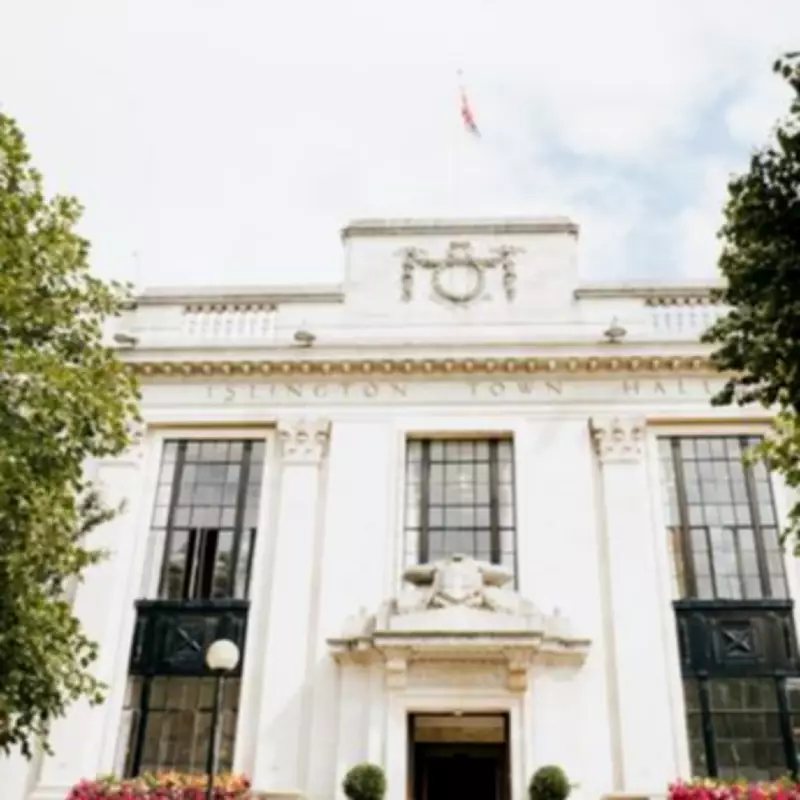
Islington Council Approves Maximum 4.99% Tax Increase for 2026
The North London borough of Islington is set to implement a substantial council tax rise, with residents facing a 4.99% increase starting in April. This move represents the maximum allowable hike under current legislation, as the Labour-led council grapples with escalating financial pressures, particularly from a tripling of homelessness expenditure.
Detailed Breakdown of New Council Tax Charges
The council's executive committee is scheduled to approve the proposals on Thursday, February 12, with a final vote by the full council expected on February 26. The new annual charges, which apply to all borough areas except Lloyd Square Garden, are as follows:
- Band A: £1,405.25 (increase of £64.04)
- Band B: £1,639.45 (increase of £74.70)
- Band C: £1,873.67 (increase of £85.39)
- Band D: £2,107.87 (increase of £96.05)
- Band E: £2,576.29 (increase of £117.40)
- Band F: £3,044.70 (increase of £138.73)
- Band G: £3,513.12 (increase of £160.09)
- Band H: £4,215.74 (increase of £192.10)
Approximately 24,500 households, representing one in five borough residents, will continue to benefit from the council tax support scheme. The poorest residents will be exempt from paying the levy entirely.
Homelessness Crisis Drives Financial Strain
Islington Council has identified homelessness as a primary driver of its financial challenges. The borough experienced a 31% surge in demand for temporary housing and homelessness support services, with an additional 15% increase projected for the 2026/27 financial year. According to Local Democracy Reporting Service documents, the council's homelessness spending skyrocketed from £5 million to £15 million last year alone.
Temporary accommodation costs have escalated due to a declining number of private landlords and continuously rising rental prices. This perfect storm of reduced supply and increased demand has placed unprecedented pressure on the council's resources.
Broadening Service Demands Across Multiple Sectors
Beyond homelessness, Islington faces mounting pressures across several statutory service areas. The council has allocated £3.9 million for adult social care in the upcoming financial year, citing "significant backlogs and longer NHS waits" as contributing factors to worsening demand.
Special educational needs and disabilities (SEND) services anticipate substantial growth, with the number of children requiring Education, Health and Care (EHC) plans expected to increase by more than 200 annually. This expansion reflects broader national trends in SEND identification and support requirements.
Financial Disparity Between Funding and Costs
Despite a recent government cash injection for local authorities, Islington forecasts only a 1% increase in core spending power for the next year. This modest growth starkly contrasts with a projected 10% rise in service delivery costs, fueled by both escalating demand and persistent inflationary pressures.
The council emphasizes that the tax increase is necessary to "protect frontline services" as demand continues to spiral across multiple sectors. With Labour holding the vast majority of council seats, the budget proposals are expected to pass through both the executive committee and full council votes without significant opposition.
This council tax decision reflects the broader challenges facing local governments across London, where rising service demands consistently outpace available funding, forcing difficult financial choices that directly impact residents' household budgets.




