
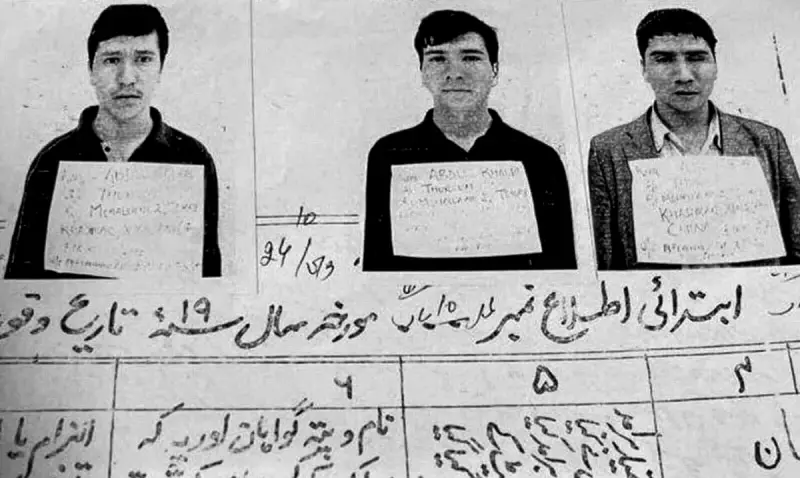
Three Uyghur brothers have spent more than a decade in Indian prisons after fleeing persecution in China, their lives suspended in a legal and bureaucratic nightmare that shows no sign of ending.
A Desperate Flight Over the Himalayas
On 12 June 2013, Indian army personnel arrested three men they described as "Chinese intruders" in the remote, uninhabited desert of Sultan Chusku in Ladakh. The men were brothers: Adil Thursun, 23, Abdul Khaliq Thursun, 22, and Salamu Thursun, 20.
They had undertaken a gruelling 13-day journey by bus and on foot from their family home near Kashgar in China's Xinjiang province. They crossed rugged, unmarked Himalayan terrain into the disputed border region with India. The brothers told officials they fled an intensified crackdown on Uyghur Muslims, during which several relatives had been taken to detention centres.
Over a million Uyghurs are believed to have been detained in what China calls "vocational education and training centres," a policy nations like the US have labelled genocide. The brothers feared their own inevitable detention.
From Border Crossing to Indefinite Detention
After two months of military interrogation, the trio were charged with illegally crossing the border. A profound struggle with India's legal system began. Unable to speak any Indian language, they could not communicate with their court-appointed lawyer for a year, only learning from fellow inmates.
Each was eventually sentenced to 18 months in prison. However, by their conviction, they had already served a year. Just as their release was due, India's political landscape shifted with the election of Prime Minister Narendra Modi's Bharatiya Janata Party.
Instead of freedom, authorities invoked the Public Safety Act, a controversial law allowing detention without trial for six-month periods, renewable for up to two years. This order has been repeatedly reissued, imprisoning the brothers indefinitely while the government decides on their release or deportation to China.
A Life in Limbo and a Lawyer's Fight
Their sole advocate has been lawyer Muhammad Shafi Lassu, who took on their case pro bono after a prison visit. "They said they were frightened... and simply wanted to escape. They didn't even know they were crossing into India," Shafi states.
Now held in a prison in Karnal, Haryana, the siblings are separated in cramped cells designated for militants. They suffer in India's heat, struggle with poor-quality food, and have developed health issues, including piles. One has been denied recommended surgery.
Shafi visits regularly and sends money from his own pocket for their expenses. He argues they are victims, not criminals. "India has given refuge to tens of thousands of persecuted people... If the government doesn't want them here, they can release them to seek asylum elsewhere," he says.
Despite their ordeal, the brothers have taught themselves four local languages and English. Their fate, and that of their family in Kashgar, remains unknown, as their lawyer continues a fight he calls "the goal of my life."




