
The United States is poised to dramatically widen its controversial travel ban, with plans to extend restrictions to citizens from more than 30 countries, the Secretary of Homeland Security has confirmed.
Major Expansion of Immigration Restrictions
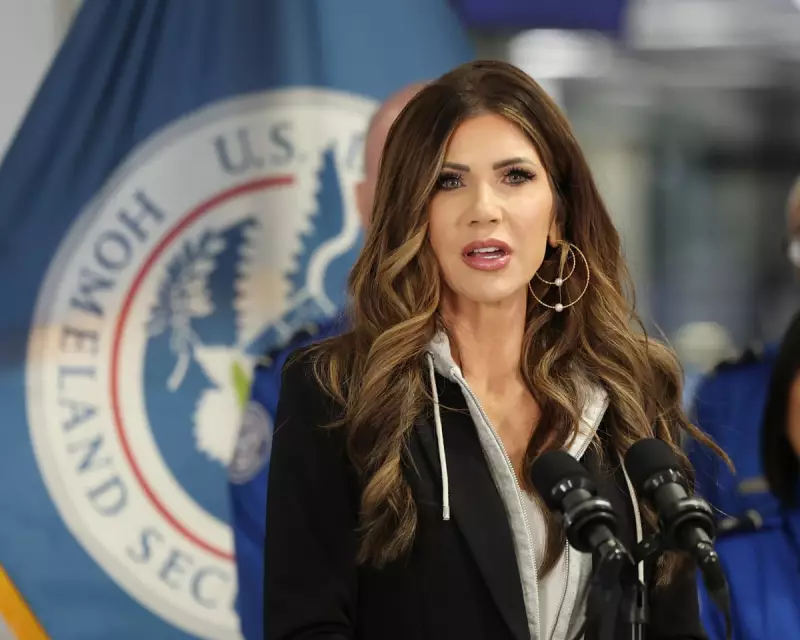
In a significant escalation of the Trump administration's immigration policy, Department of Homeland Security (DHS) Secretary Kristi Noem announced the expansion during an interview with Fox News. The move builds upon an existing list of 19 nations already subject to stringent travel limitations.
"I won't be specific on the number, but it's over 30, and the president is continuing to evaluate countries," Noem stated. The bans, which apply to both immigrants and non-immigrants like tourists, students, and business travellers, represent one of the broadest applications of such restrictions to date.
The current list, which will form the basis of the expansion, includes: Afghanistan, Burma, Burundi, Chad, Cuba, Equatorial Guinea, Eritrea, Haiti, Iran, Laos, Libya, Republic of the Congo, Sierra Leone, Somalia, Sudan, Togo, Turkmenistan, Venezuela, and Yemen.
Policy Backlash and Immediate Effects
The decision has been met with sharp criticism from immigration advocacy groups and lawmakers. The escalation comes alongside reports that naturalisation ceremonies for individuals from the originally listed 19 countries are being cancelled, and applications from those nations are being halted.
This policy hardening follows the recent shooting of two National Guard members in Washington D.C., an event the administration has cited in its push for stricter border and immigration controls. Noem made her announcement at a news conference at Harry Reid International Airport in Las Vegas on 22 November.
Broader Immigration Crackdown Context
The travel ban expansion is not an isolated measure. It forms a core part of a sweeping immigration crackdown initiated at the start of Donald Trump's second term. A key parallel development is the US Supreme Court's pending decision on the legality of Trump's executive order on birthright citizenship, issued just hours after his inauguration and immediately blocked by lower courts.
Further illustrating the administration's stance, a recently revealed policy document argues that Europe faces "civilisational erasure" due to immigration and EU integration, advocating for the US to "cultivate resistance" to this trajectory, explicitly backing far-right parties on the continent.
Other notable actions include a State Department memo directing consular officials to deny visas to individuals deemed responsible for "censorship or attempted censorship of protected expression in the US", a move seen as targeting fact-checkers and content moderators.
The combination of these policies signals a profound and contentious shift in America's approach to immigration, global engagement, and domestic security, with repercussions expected to resonate far beyond its borders.




