
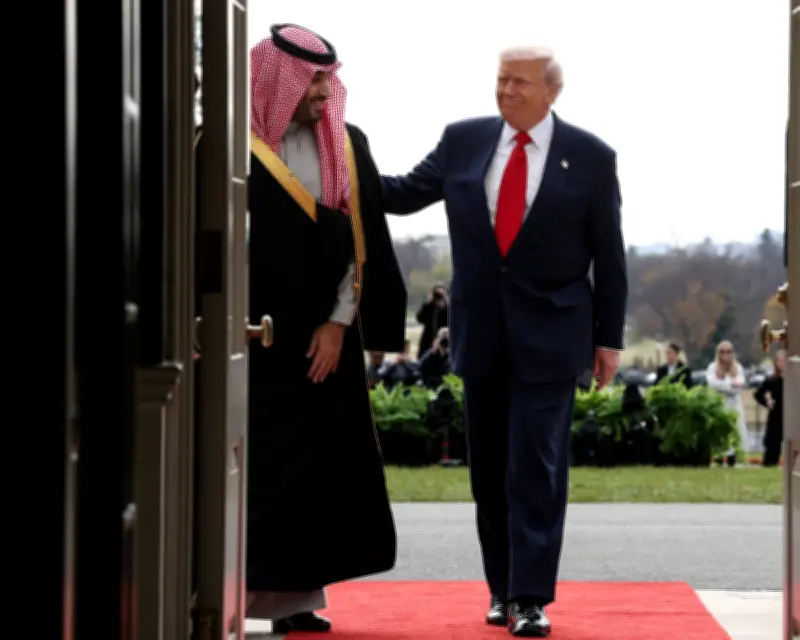
The United States and Saudi Arabia have finalized a landmark nuclear cooperation agreement that will see American technology and expertise used to establish a civilian nuclear program in the Gulf kingdom. The deal, signed at the White House in 2025, has ignited fierce debate over proliferation risks, particularly regarding Saudi Arabia's potential to enrich uranium domestically.
What the deal entails
The 30-year agreement is designed to meet Saudi Arabia's growing energy needs, according to US energy secretary Chris Wright. Under Crown Prince Mohammed bin Salman's Vision 2030 economic plan, the kingdom aims to use nuclear power for electricity generation, freeing up more oil for export. The deal is estimated to be worth tens of billions of dollars and positions American companies at the center of Saudi nuclear infrastructure development, effectively blocking competitors like China and Russia.
The agreement is a continuation of plans first conceived during the Biden administration, which sought to link nuclear cooperation with Saudi-Israeli normalization. However, the October 7 Hamas attack and subsequent Gaza war derailed normalization efforts. The Trump administration chose to proceed with the nuclear deal without requiring formal ties between Riyadh and Israel.
Uranium enrichment: a contentious clause
According to sources familiar with the deal, the agreement paves the way for a uranium enrichment facility on Saudi soil, contingent on a joint US-Saudi study determining its necessity. The study is expected to take two years, leaving the final decision to Donald Trump's successor. Many countries with nuclear energy programs, such as the United Arab Emirates, import enriched fuel rather than producing it domestically, a process that can theoretically yield weapons-grade material.
The US administration argues that Washington will maintain oversight of any enriched uranium and spent fuel, ensuring they cannot be diverted for weaponization. However, critics note that the deal lacks the rigorous monitoring standards of previous agreements.
Proliferation concerns and regional reactions
Nuclear nonproliferation groups have long warned that such a deal could enable Saudi Arabia to develop a nuclear weapon. Riyadh has previously stated it would seek a nuclear bomb if its regional rival Iran acquired one. The US is currently engaged in a conflict with Iran aimed at preventing Tehran from obtaining a nuclear weapon.
US secretary of state Marco Rubio dismissed proliferation fears, stating the US is "not going to reach any agreement with any country in the world that leads to the risk of proliferation." However, experts express alarm that the deal lacks the "gold standard" of the 2009 US-UAE agreement, where Abu Dhabi forswore enrichment and reprocessing. The Saudi deal reportedly does not include this commitment.
Additionally, Saudi Arabia will not be subject to the International Atomic Energy Agency's "Additional Protocol," a stringent inspection regime adopted by dozens of countries. The Obama-era Iran nuclear deal required such monitoring, but Trump withdrew from that agreement in 2018.
Congressional opposition and blocking prospects
Democratic lawmakers have voiced strong opposition. Senator Chris Murphy warned the deal would "set off a nuclear race in the region, further disincentivizing Iran from limiting its own program." However, blocking the agreement will be difficult. The deal is expected to be submitted to Congress for approval in the coming days. To reject it, both chambers would need to pass a joint resolution with a two-thirds majority to override a presidential veto, an unlikely scenario given Republican control.
Israel, which is widely believed to possess a clandestine nuclear arsenal, has reportedly raised concerns that the deal could trigger a regional arms race. The coming months will test whether diplomatic safeguards can prevent the spread of nuclear capabilities in one of the world's most volatile regions.




