
In a landmark legal decision, appeal court judges have upheld a ruling that the United Kingdom unlawfully detained dozens of Tamil asylum seekers on the remote island of Diego Garcia for a period of three years. The judgment, handed down in London, represents a significant defeat for the British Indian Ocean Territory (BIOT) administration.
Appeal Dismissed on All Grounds
The case centred on an appeal lodged by the BIOT commissioner, Nishi Dholakia, against a ruling made exactly a year earlier on 16 December 2024. The original judgment by the BIOT supreme court found that the detention of the asylum seekers was unlawful. Commissioner Dholakia's appeal contested this finding, but it was rejected by judges on all four grounds presented.
The court was critical of the evidence submitted by the commissioner, describing it as "a highly selective exercise." This latest decision, delivered on Tuesday, fully endorses the initial verdict from Acting Judge Margaret Obi, who had presided over a full trial on Diego Garcia itself.
"Hell on Earth" Conditions on a Tropical Island
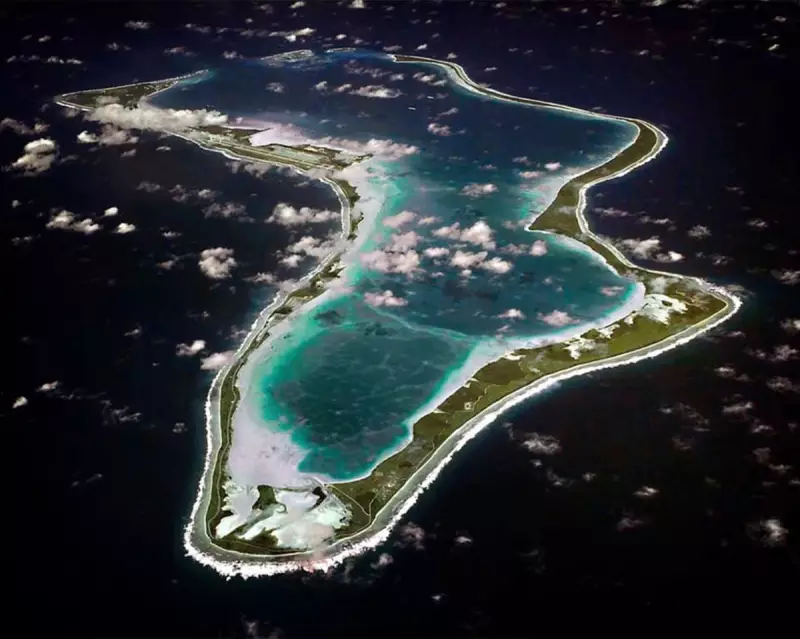
Diego Garcia, the largest island in the Chagos archipelago, is situated halfway between Tanzania and Indonesia. Known for its white sand beaches and turquoise seas, it serves as a strategic UK-US military base. However, the reality for the asylum seekers was starkly different.
The group, who arrived on the island following a shipwreck while attempting to reach Canada, were held in what was described as "hell on Earth." They were accommodated in rat-infested tents within a fenced and guarded camp, a situation Judge Obi stated was a prison "in all but name." The detainees included 16 children among more than 60 people.
Substantial Damages and Government Costs
The confirmation of unlawful detention opens the British government to a substantial bill for damages, potentially running into millions of pounds. Lawyers for the claimants highlighted the significant financial cost of the policy even before compensation is considered.
Simon Robinson of Duncan Lewis solicitors noted that the detention came at a cost of £108,000 a day to the UK taxpayer. He attributed the escalation in overall costs to "egregious delay by the home secretary and foreign secretary in agreeing to end their detention and relocate them."
Tom Short of Leigh Day, who represented some of the Tamils, welcomed the ruling as a "full vindication." He stated, "The court has found that the commissioner intended to confine our clients... and that he had no justification for doing so. His attempt to rewrite history has failed."
The Home Office has been approached for comment in the wake of the judgment. The case underscores ongoing tensions regarding the UK's treatment of asylum seekers and its administration of the British Indian Ocean Territory.




