
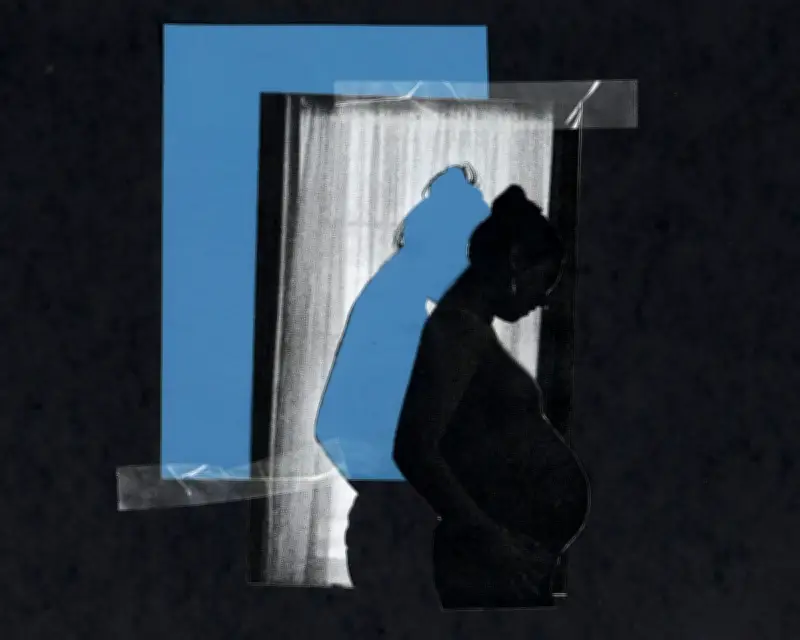
Just under 1,000 children were born to surrogates in 2025, double the figure for 2015, according to data obtained by the Guardian. Applications for parental orders, which reassign legal parenthood from the surrogate to the intended parents, reached more than 980 in 2025. Of these, 150 children were born in the UK, where surrogates can only receive expenses, while the remainder were born abroad—mostly in the US, Ukraine, Nigeria, Georgia, Colombia, and Mexico—where surrogates can be paid a fee.
Rapid rise in demand
The surge is driven by more gay couples seeking parenthood, rising infertility, and shifting cultural attitudes. Helen Prosser, founder and director of Brilliant Beginnings, said her agency had turned away new intended parents as demand far outstripped supply. “We are busier than ever,” she said.
Archaic laws under fire
Experts say the UK’s surrogacy laws are “creaking at the seams.” A 2023 Law Commission review urged the government to give legal parenthood to intended parents from birth. Currently, the surrogate must be listed as the mother on the birth certificate, and intended parents must apply for a parental order after birth—a process that can take months. Professor Nicholas Hopkins, the review’s author, said this is “distressing for the new family” and deters prospective surrogates who do not wish to be the child’s legal mother.
Risks of overseas surrogacy
Hopkins argued that the best way to prevent intended parents from going abroad—where arrangements can be riskier and less regulated—is to establish a properly regulated UK scheme. Co-author Professor Gillian Black highlighted cases where a child needed hospital treatment, and only the surrogate could legally consent. “That doesn’t reflect the reality on the ground,” she said.
Global controversy
The ethics of surrogacy remain contentious. The UK permits an “altruistic” model, while the US, Mexico, and Nigeria allow paid surrogacy. France, Germany, Italy, and Spain heavily restrict or ban it. UN special rapporteur Reem Alsalem has called for a global abolition, describing surrogacy as a “system of violence, exploitation and abuse against women.”
Stalled reform
The Law Commission’s recommendations were accepted and informed a draft bill, but the government has said it is not a legislative priority. Hopkins warned that while the bill languishes, “significant” problems will persist, driving more parents overseas. Prosser added that the legal “murkiness” is off-putting for surrogates. “In some places, it’s a bit of a wild west,” she said. “Our frustration is we could make it easier here in the UK for people to stay here, but the law reform has been parked.”
Culture wars fears
Professor Kirsty Horsey of Loughborough University fears that “culture wars” concerns may be delaying reform, given the issue’s growing controversy. Her report, Surrogacy in the UK: Myth busting and reform 10 years on, said the law had unnecessary barriers leading to transnational surrogacy in jurisdictions with few protections. She noted that New Zealand, Australia, Ireland, and Canada are updating their approaches to better reflect intended parents and promote regulated domestic surrogacy.
Petition for change
A UK couple facing a lengthy court battle to become parents of their baby born via surrogacy launched a petition to change the law to recognise intended parents from birth. It received over 100,000 signatures within days, triggering a parliamentary debate.
Surrogate shortage
Rachel Westbury, founder of surrogacy agency Nappy Endings and a multiple-time surrogate, said the current waiting time for intended parents is about three years. “A lot of people have been through enough heartbreak and the waiting is difficult,” she said. “We really do have a huge surrogate shortage in the UK, because of the restrictions.” Westbury called for more education about surrogacy, noting that some midwives have “looked intended parents up and down and told them to leave the hospital because they’re not the ones carrying the baby.”




