
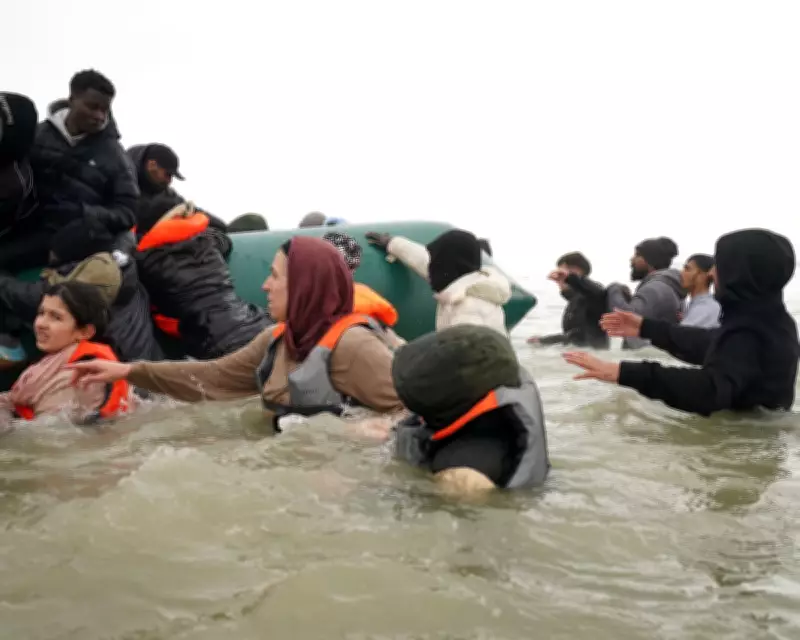
UK Commits £660 Million to France for Enhanced Channel Border Enforcement
The United Kingdom has finalized a substantial three-year agreement worth £660 million with France, aimed at dramatically reducing the number of asylum seekers attempting dangerous crossings of the English Channel in small boats. This landmark deal, set to be signed by Home Secretary Shabana Mahmood, represents a significant escalation in border security measures, including the controversial funding of a specialized riot squad trained in crowd-control tactics.
Details of the Enhanced Security Package
Under the terms of the new arrangement, the UK will finance a comprehensive enforcement strategy that expands existing operations by 40%, deploying 1,100 officers across intelligence, military, and policing roles. A key component is the establishment of a 50-strong riot squad, equipped with batons, shields, and teargas, specifically tasked with "containing and dispersing" individuals attempting to board vessels along the northern French coast. This marks the first instance of British funding directly supporting riot control units targeting irregular migration.
The financial package allocates approximately £500 million as a baseline to bolster beach patrols and interception efforts. This includes:
- Five new police units, with the riot squad receiving specialized training in handling hostile crowds.
- An additional 20 maritime officers focused on intercepting small boats in shallow waters, building on recent successes that have led to the prosecution and deportation of smugglers operating "taxi boats."
- An expansion of the intelligence unit from 18 to 30 specialists to enhance the tracking and arrest of people smuggling networks.
- Two new helicopters and an advanced camera system to improve surveillance and interception capabilities.
Controversy and Criticism from Advocacy Groups
The announcement has sparked immediate condemnation from refugee and human rights organizations, who argue that the focus on policing and riot control brutalizes vulnerable individuals fleeing persecution. Sile Reynolds, head of asylum advocacy at Freedom from Torture, described the plan as "deeply alarming," warning that it would lead to police violence against men, women, and children on French beaches. She highlighted concerns over the French riot police's record, which has been criticized by the United Nations for excessive force.
Imran Hussain of the Refugee Council emphasized that policing alone fails to address the root causes of migration, stating, "By focusing on policing the Channel, the government is treating the symptom not the cause." He pointed out that without safe legal routes, desperate people will continue to risk their lives due to family ties, language skills, or cultural connections to the UK.
Political Context and Performance-Based Funding
This deal follows the collapse of a previous £478 million agreement in March and comes amid intense political pressure on the Labour government, which faces challenges from Reform UK in local elections over migration issues. Prime Minister Keir Starmer defended the agreement, noting that cooperation with France has already prevented tens of thousands of crossings and resulted in nearly 60,000 deportations or returns.
Notably, the arrangement introduces a "payment-by-results" scheme, with £160 million reserved for trialing new approaches. The UK will spend £50 million in the first year, withholding the remaining £110 million over the subsequent two years if the initial investment fails to yield significant reductions in crossings. Home Secretary Mahmood asserted that the deal would "stop illegal migrants making the perilous journey and put people smugglers behind bars."
Current Migration Trends and Incidents
Despite a 36% decrease compared to last year, over 6,000 people have arrived in the UK via small boats in 2024, underscoring the ongoing crisis. Recent tragedies, including the drowning of four migrants due to strong currents, highlight the dangers of these journeys. French authorities have previously used teargas, stun grenades, and pepper spray in attempts to halt departures, but this new funding specifically targets migration with riot control measures, raising ethical and humanitarian questions as the UK and France intensify their collaborative efforts to secure the Channel border.




