
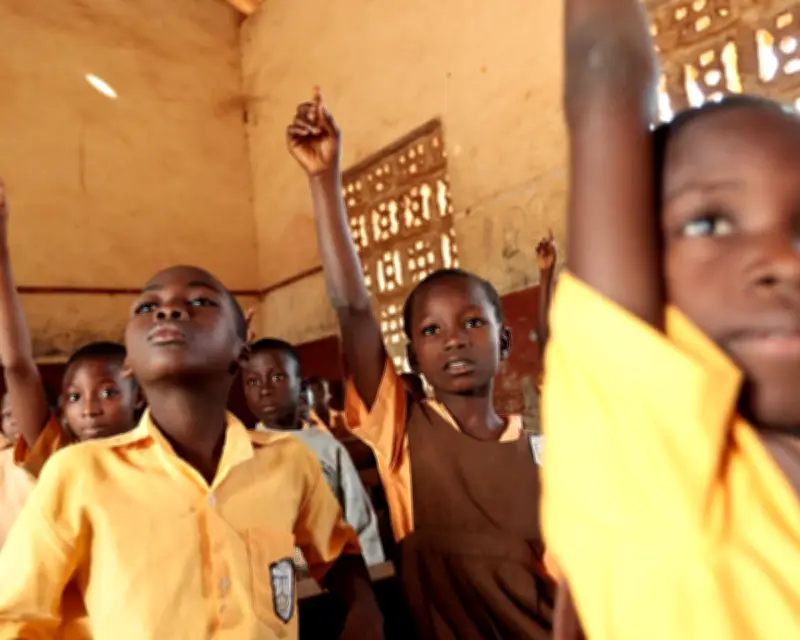
A programme aimed at keeping 1 million girls in school across Africa, Asia and the Middle East was recently axed by the British government two years after it was announced, according to a letter published in The Guardian.
Programme cancellation amid aid cuts
The initiative, which targeted regions with high dropout rates for girls, was scrapped as part of broader reductions to the UK's international aid budget. The cuts, initially introduced by the Conservative government and subsequently maintained by Labour, have drawn criticism from development experts.
Desmond Whyms, a former senior health adviser at the Department for International Development, wrote in a letter that the decision is "shortsighted, self-defeating and immoral." He noted that even military leaders do not support the cuts, which weaken Britain's soft power and contribute to global instability.
Criticism of aid effectiveness
Whyms argued that a fundamental rethink of aid is necessary. He stated that much "aid" money returns to the global north, benefiting wealthy countries, NGOs and institutions, but failing to build national or regional capacity for reducing poverty, protecting the environment, or improving health and education. The focus on short-term, UK-attributable "results" that accompanied the earlier 0.7% aid commitment often does little to avert ongoing aid dependency.
Impact on development institutions
The abolition of the Department for International Development and the merger into the Foreign, Commonwealth and Development Office (FCDO) have further undermined development efforts. Whyms claimed that the FCDO is now "unfit for development purposes" due to the departure of staff with expertise and integrity.
Call for renewed commitment
Whyms called for a radical new mandate and structure to genuinely assist southern governments and institutions in delivering their plans for improved human and environmental outcomes long term. He expressed hope that Andy Burnham and his team would recommit to taking international obligations seriously.




