
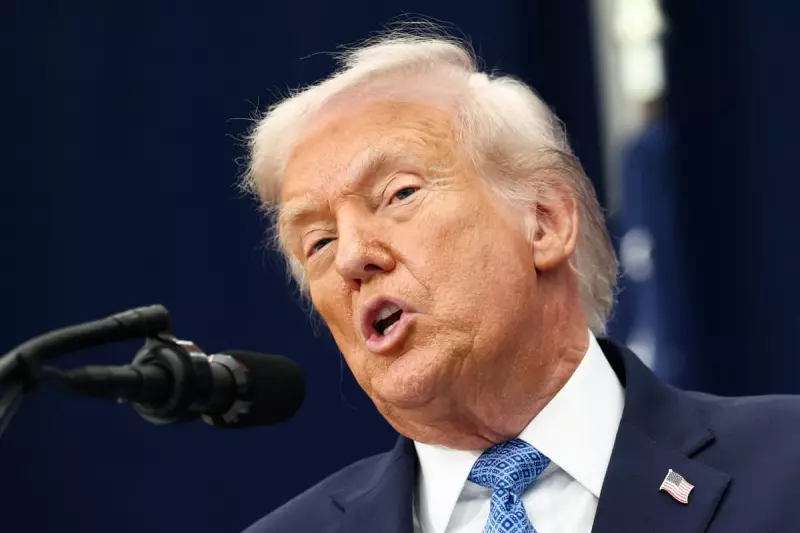
Former US President Donald Trump has ignited a fresh firestorm of controversy, employing starkly anti-immigrant language in a recent speech that critics and historians have directly compared to the rhetoric found in the infamous racist text Mein Kampf.
Historical Echoes and Immediate Condemnation
During a campaign event on Saturday, 6 December 2025, Trump described immigrants as "vermin" and accused them of "poisoning the blood of our country". This specific phrasing triggered immediate alarm. The Anti-Defamation League (ADL) and other watchdog groups were swift to point out the disturbing parallels with language used by Adolf Hitler and other white supremacists to dehumanise minority groups.
Jonathan Greenblatt, the CEO of the ADL, stated unequivocally that such terminology was not merely provocative but dangerous, "legitimising and mainstreaming racist and antisemitic language". Historians noted that the concept of "blood poisoning" is a core tenet of Nazi ideology, used to justify genocide.
A Pattern of Escalating Rhetoric
This incident is not an isolated one but part of a clear and escalating pattern. Throughout his political career, Trump has consistently used dehumanising language when discussing immigration. He has previously referred to migrants as "animals" and described their movement as an "invasion".
This latest escalation comes at a time of heightened political tension in the United States. Experts warn that this kind of rhetoric from a leading presidential candidate does more than just shock; it has tangible, real-world consequences. It is seen as inciting and justifying violence against minority communities, creating a more permissive environment for hate crimes.
Broader Implications and Political Repercussions
The fallout from Trump's speech extends beyond immediate condemnation. Political analysts suggest this strategy is a deliberate attempt to galvanise his core base by appealing to far-right nationalist sentiments. However, it also risks further polarising an already divided electorate and alienating moderate voters.
Internationally, the speech damages America's standing, undermining its traditional role as a nation built by immigrants. Domestically, it places Republican allies in a difficult position, forcing them to either condone the language or risk a public break with the party's dominant figure.
Ultimately, the use of such historically charged language moves the political discourse into dangerous territory. It shifts the debate from policy differences on border control to a fundamental questioning of the humanity and value of immigrant populations, with potentially severe societal repercussions.




