
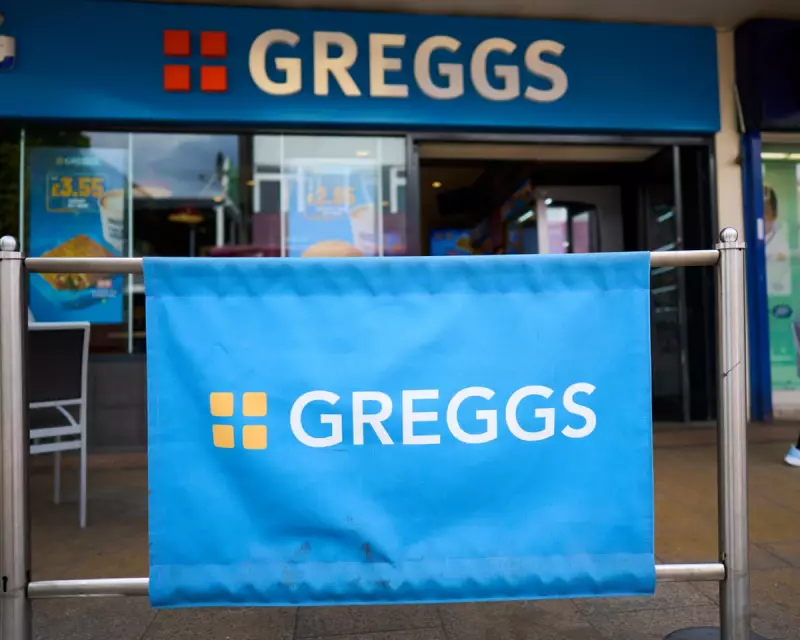
Forget memorising the date of the Habeas Corpus Act or the names of forts on Hadrian's Wall. According to one writer, a far more useful gauge of integration into British society would be the ability to spot a Greggs bakery or understand the intricate social order of a bus queue.
The 'Bad Pub Quiz' Stressing Families
Emma Beddington, a Guardian columnist, is witnessing the strain of the official Life in the UK test firsthand as her French husband revises for the exam, a prerequisite for his citizenship application. The test, which has been widely criticised as a "bad pub quiz", is causing domestic tension. Her husband, who works, volunteers, and pays taxes in the UK, must now prove his assimilation by answering multiple-choice questions on topics like the repeal of the Corn Laws.
Beddington admits the process is humbling even for her, a history graduate, who confesses she couldn't state the date of the Habeas Corpus Act "with a gun to my head". The test requires a 75% pass mark and costs £50 to take. Research in 2021 suggested two-thirds of Britons would fail it, a figure the writer suspects is even higher now.
A Test for a Britain That Doesn't Exist
The columnist argues the test examines a sanitised, outdated version of the country. She points to a revision guide chapter titled "A modern, thriving society" illustrated by a crowd of white faces on the Mall, and questions the relevance of frequent questions about Welsh cakes. "It's meaningless testing people on a UK they don't actually live in," she writes, one with an "unproblematic imperial legacy and an Elgar soundtrack".
Instead, she and her husband workshopped a more relevant alternative. Their proposed modules included identifying the Greggs logo, recognising the Strictly Come Dancing theme tune, mastering "contextual swearing", and excelling at soap opera knowledge. "It's ridiculous you need to know about 14th-century poet John Barbour but not Deirdre Barlow," Beddington notes.
Practical Skills for Modern British Life
Her improved test would also assess crucial real-world skills: navigating the correct boarding order at a poorly organised bus stop, demonstrating the nuanced usages of the word "sorry", and implementing hot drink protocols in domestic and workplace settings.
However, she reflects that fetishising these mundane national foibles is itself an unappealing trait. For now, she's back to pinning lists of historical dates to the fridge, praying her husband passes. He has, at least, retained one date: 1066, "when we conquered you. So, you're all French".
The process has taught him that everyone in Britain is an immigrant, whether they crossed a land bridge 10,000 years ago, arrived with William the Conqueror, or came last week. And, as Beddington concludes, we're all rewriting what life in the UK is every minute. That, at least, is a thought cheering them up as test day looms.




