
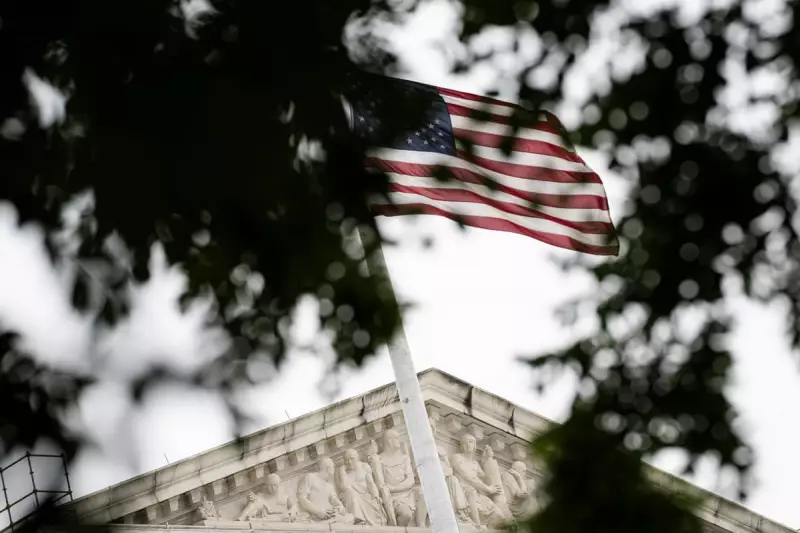
The United States Supreme Court has agreed to hear a landmark case that will determine the legality of a controversial executive order signed by former President Donald Trump, which aimed to heavily restrict birthright citizenship in the country.
The Executive Order and Immediate Legal Challenge
The order was signed just hours after Trump began his second term in office. It sought to ban the constitutional right to US citizenship for almost all children born on American soil if neither parent was an American citizen or a legal permanent resident. This move, a central plank of Trump's immigration agenda, was immediately challenged in federal courts across the nation.
The policy represented a dramatic attempt to reinterpret a 19th century constitutional provision – the 14th Amendment – which has long been understood to guarantee citizenship to anyone born in the United States. Multiple federal judges issued injunctions to block the order from taking effect, leading the Trump administration to appeal to the highest court in the land.
The Path to the Supreme Court
In a significant procedural decision in June, the Supreme Court ruled that nationwide injunctions issued by lower courts had overstepped their authority. However, that ruling did not address the core constitutional question of the birthright citizenship ban itself.
On Friday, the justices announced they would finally take up the substance of the case. They agreed to hear an appeal from the US Justice Department regarding a lower court's ruling that blocked Trump's executive order. That lower court found the policy violated both the 14th Amendment and federal statutes enshrining birthright citizenship rights. The ruling came from a class-action lawsuit brought by parents and children whose citizenship status was directly threatened by the directive.
Constitutional Implications and What Comes Next
The upcoming Supreme Court decision carries profound implications for the interpretation of one of America's foundational constitutional amendments. A ruling in favour of the Trump administration would fundamentally alter a century-and-a-half-old understanding of American citizenship and could affect thousands of families.
The case now moves to oral arguments, with a final ruling expected later in the court's term. The outcome will not only settle a fierce legal battle but will also have lasting consequences for US immigration policy and the rights of children born within the nation's borders.




