
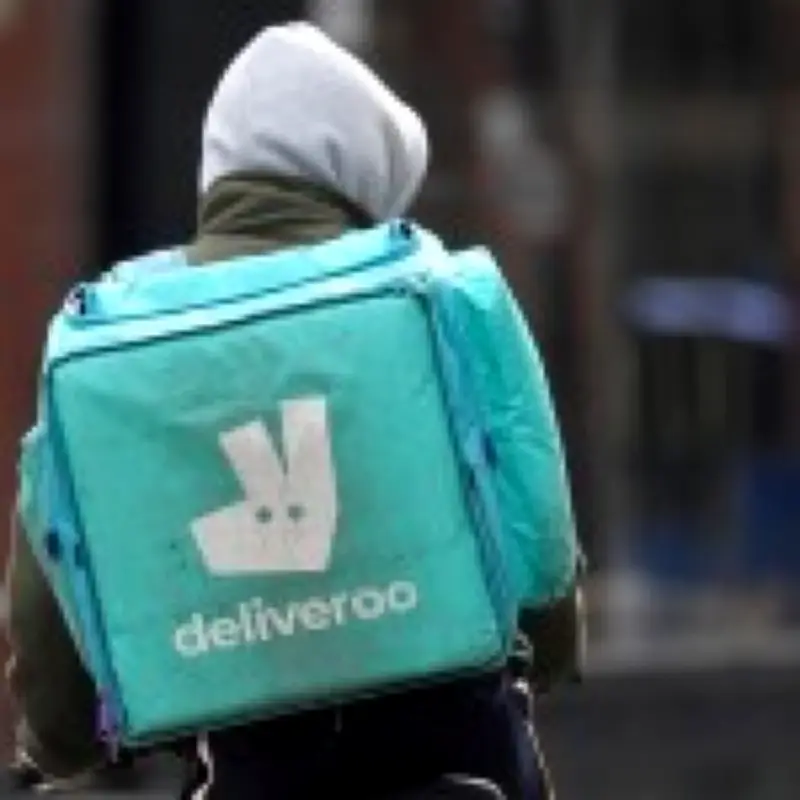
Reform UK has unveiled a controversial new policy dubbed the 'Deliveroo Law', which would hold company bosses personally and criminally liable for employing illegal migrants. The proposal, announced by the party's home affairs spokesman Zia Yusuf, threatens CEOs and directors of firms—including multinationals—with 'the harshest penalties in the world for those employing illegal migrants', according to Nigel Farage's party.
What the 'Deliveroo Law' would do
Under the proposed legislation, senior managers would face imprisonment and companies would be fined 10% of their global revenues. The party has drawn comparisons to existing financial misconduct laws, where senior managers are already personally accountable for regulatory breaches. Reform argues that current penalties—up to £60,000 per illegal worker—are insufficient deterrents.
'There are companies whose entire business model is based on profiteering from illegal working,' Yusuf said in a statement. 'It is a slap in the face to the public. It makes a mockery of our immigration laws, takes jobs from British workers and is funding the people smugglers in the Channel.'
Deliveroo responds
Deliveroo has strongly rejected the use of its name in the policy, stating that it has 'led the industry' in tackling illegal working. A spokesperson said: 'Illegal working should absolutely be addressed, and that’s why we’ve led the industry in cracking down on the sophisticated, organised criminals who attempt to abuse our platform. We run Right to Work checks on all riders, conduct multiple daily identity checks and use cutting-edge fraud-detection technology, and we’d encourage other industries affected by illegal working to do the same.'
The delivery company also noted that the data Reform cited in its announcement dates back to 2023 and does not reflect the current situation. This rebuttal highlights the tension between political rhetoric and corporate practice.
Additional measures: Turkish Barbers tip line
Alongside the 'Deliveroo Law', Yusuf is set to announce a 'Turkish Barbers tip line' to encourage public reporting of high street businesses suspected of employing illegal workers or covering up organised crime. Local police forces would receive a share of fines generated, incentivising them to investigate tip-offs. This measure targets sectors where illegal employment is perceived to be prevalent.
Political context and criticism
Reform's announcement comes amid broader political debates on immigration. Yusuf criticised both the Tories and Labour for making the UK the 'softest-touch country in the world for illegal migrants'. The party's stance taps into public concerns about border control and job security, but critics argue the policy could unfairly penalise businesses and create a climate of fear.
Currently, employers found to have hired someone without the right to work face civil penalties up to £60,000 per worker. Reform's proposal would escalate this to criminal liability, a significant shift in enforcement strategy.
Impact on business and workers
If implemented, the 'Deliveroo Law' could have far-reaching consequences for multinational corporations operating in the UK. The threat of 10% global revenue fines and imprisonment for executives would compel companies to scrutinise their supply chains and hiring practices more rigorously. However, business groups may argue that such measures are disproportionate and could deter investment.
For workers, the policy aims to protect British jobs and reduce exploitation, but it also risks driving illegal employment further underground. The effectiveness of the tip line remains to be seen, but it signals a more aggressive approach to enforcement.
Reform's proposal has ignited a debate on the balance between deterring illegal immigration and supporting legitimate businesses. As the party continues to gain political traction, its immigration policies are likely to remain a central focus in the run-up to the next election.




