
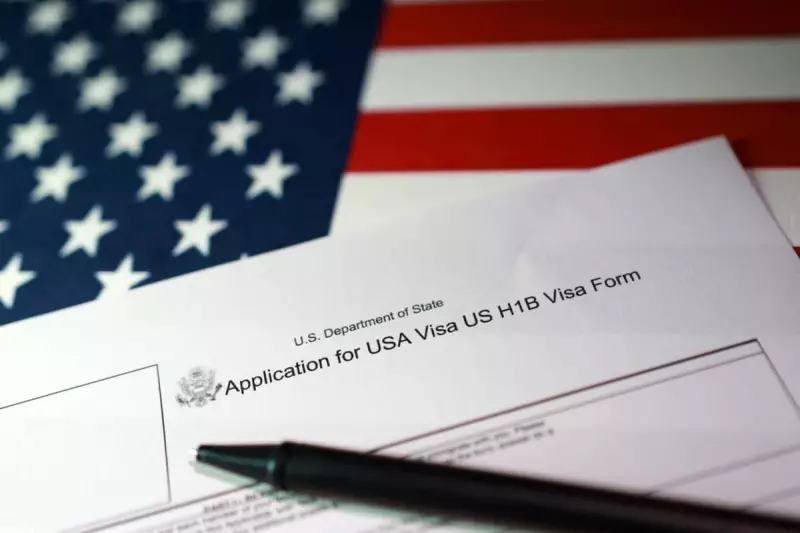
The administration of President Donald Trump has unveiled a stringent new set of visa regulations, marking a significant escalation in its immigration policy. The measures, announced on Friday, December 5th, 2025, specifically target high-skilled H-1B visas and international student pathways, fundamentally altering the landscape for foreign workers and students seeking entry to the United States.
Key Changes to H-1B and Student Visa Programmes
At the heart of the US visa crackdown are reforms to the H-1B programme, a cornerstone for technology and professional services firms. The new rules impose a substantially higher minimum salary requirement for H-1B applicants. Furthermore, the administration is eliminating the popular H-1B visa lottery system, replacing it with a wage-level-based selection process. This means visas will be awarded preferentially to candidates offered the highest salaries, a move officials argue prioritises the "best and brightest."
Parallel to these changes, the Trump administration is imposing stricter limits on Optional Practical Training (OPT). This programme allows international graduates from US universities to work in the country for up to three years post-study. The new policy will significantly curtail both the duration and eligibility for OPT, directly impacting the pipeline of talent from American campuses into the workforce.
Rationale and Immediate Fallout
Senior administration officials, including the Attorney General, framed the US immigration policy shift as a necessary measure to protect American jobs and wages. They contend that the previous systems were exploited to undercut domestic workers with cheaper foreign labour. "The era of exploiting visa programmes to displace American workers is over," a statement from the Department of Justice declared.
The announcement has triggered immediate concern and condemnation from multiple sectors. Major technology companies, long reliant on H-1B visa holders for specialised engineering roles, have warned of severe disruption to their operations and innovation capacity. University leaders have expressed alarm, predicting a sharp decline in international student applications, which would have severe financial and cultural repercussions for higher education institutions.
Global Implications and Legal Challenges
The repercussions of this visa overhaul extend far beyond US borders. Countries like India and China, which are the largest sources of H-1B workers and international students in the US, are likely to be disproportionately affected. The policy is expected to redirect global talent flows, potentially benefiting competitor nations like Canada, Australia, and the UK, which have more welcoming post-study work and skilled migration routes.
Legal challenges are anticipated. Advocacy groups and affected businesses are preparing to argue that the administration has overstepped its executive authority and failed to follow proper regulatory procedures. The rules are set to be implemented through an interim final rule, bypassing the usual lengthy public comment period, a tactic that is itself expected to face scrutiny in the courts.
In conclusion, the December 2025 visa rules represent one of the most aggressive reforms to US skilled immigration in decades. By restructuring the H-1B programme and curtailing post-study work rights, the Trump administration is deliberately reshaping America's relationship with global talent. The success of this US visa crackdown in boosting domestic employment, versus its potential to harm economic competitiveness and academic prestige, will be fiercely debated in the months and years to come.




