
Home Secretary Shabana Mahmood introduced the Immigration and Asylum Bill to Parliament on Tuesday, enacting major reforms that could not be achieved through secondary legislation or rule changes. The bill establishes a new Independent Immigration Appeals Authority (IIAA) to review asylum claim appeals and alters how Article 8 of the European Convention on Human Rights is interpreted.
Key Provisions of the Bill
The bill introduces a student loan-style system requiring refugees earning above a certain threshold after their claim is accepted to pay the Home Office £10,000 towards their living costs. Additionally, the IIAA will hire members of the public to take on magistrate-like roles and help decide asylum cases. The Home Office assures that these individuals will be professionally trained, with safeguards in place to 'ensure high standards,' leading to 'a significant increase in capacity within the authority, leading to more decisions being made.'
Previous Changes Already in Effect
Earlier changes, implemented on March 5, include limiting refugee status to 30 months and allowing the government to deny support to asylum seekers. These took effect on March 2 and June 2, respectively, through statutory instruments.
Andy Burnham's Position Unclear
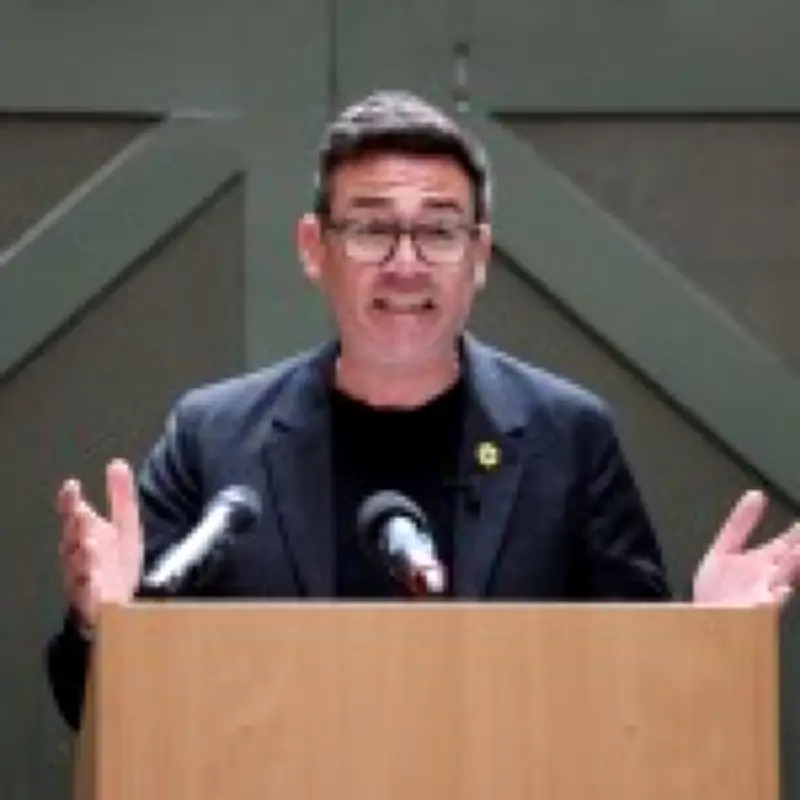
Despite immigration being a top voter issue, Andy Burnham did not mention it in his Monday speech. His only recorded comment on the reforms came last month ahead of the Makerfield by-election, stating of Mahmood: 'We’ll have to work hard to get the balance right, but the broad thrust of what she’s doing is right.' This ambiguity has led Labour peer Lord Alf Dubs and Green Party leader Zack Polanski to urge Burnham to reject the asylum reforms. Burnham is expected to deliver more speeches before his planned No 10 move-in on July 20.




