US Judge Blocks Deportation of Palestinian Activist Mohsen Mahdawi
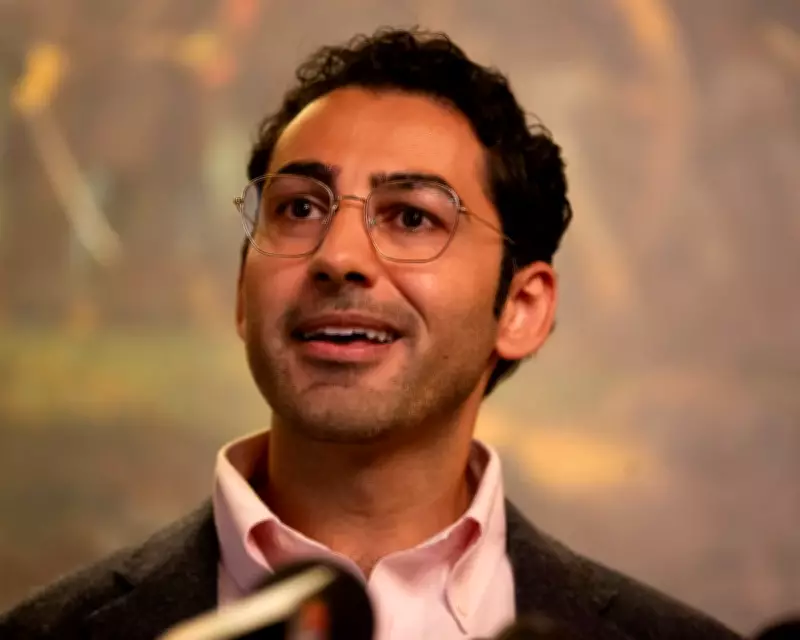
An immigration judge has issued a significant ruling, blocking the Trump administration from deporting Mohsen Mahdawi, a 34-year-old Columbia University student and prominent pro-Palestinian activist. Mahdawi was arrested by federal agents last year during a U.S. citizenship interview in Vermont, sparking a legal battle that has now culminated in this decision.
Details of the Court Decision
Judge Nina Froes ruled last Friday that the evidence submitted by the Trump administration was inadmissible, as it failed to meet the burden of proving removability. Specifically, the government could not properly authenticate a memorandum allegedly signed by U.S. Secretary of State Marco Rubio. This procedural flaw led to the dismissal of the deportation case.
In a statement, Mahdawi expressed gratitude, saying, "I am grateful to the court for honoring the rule of law and holding the line against the government's attempts to trample on due process." He emphasized that his arrest was not for breaking any law but for speaking out against what he described as the genocide of Palestinians, highlighting the importance of free speech protections.
Legal and Constitutional Implications
Brett Max Kaufman, senior counsel with the American Civil Liberties Union's Center for Democracy, who represented Mahdawi, underscored the broader significance of the ruling. "This decision highlights the importance of federal court review of immigration proceedings, especially when First Amendment and other constitutional violations are alleged," he stated. Kaufman added that without this judicial intervention, Mahdawi might still be detained on unsubstantiated charges.
Mahdawi's lawyers argued that his arrest was retaliatory, part of a broader policy aimed at silencing advocates for Palestinian human rights. He was held in Immigration and Customs Enforcement (ICE) detention for over two weeks based on an obscure immigration provision targeting individuals deemed threats to U.S. foreign policy, though he was never charged with a crime.
Background and Personal Journey
Born and raised in a refugee camp in the occupied West Bank, Mahdawi immigrated to the U.S. over a decade ago. In 2021, he enrolled at Columbia University, where he served as president of the Buddhist association and co-founded the Palestinian Student Union. His activism has been a central part of his identity and academic life.
After being released on bail in April following a habeas petition, Mahdawi graduated from Columbia University in May, receiving a standing ovation. He has since returned to campus to pursue a master's degree at Columbia's School of International and Public Affairs (Sipa), continuing his studies despite the legal challenges.
Broader Context and Similar Cases
This ruling represents another setback for the Trump administration's efforts to deport students involved in pro-Palestinian activism. Earlier this month, an immigration judge similarly ruled that the administration could not deport Rumeysa Ozturk, a Turkish student at Tufts University who co-authored a critical article about Israel in the school newspaper.
These cases underscore ongoing tensions between immigration enforcement and constitutional rights, particularly regarding free speech and due process. The outcomes suggest a judicial pushback against what critics describe as politically motivated deportations.
As Mahdawi moves forward, his case serves as a reminder of the vital role of the judiciary in safeguarding civil liberties, even in contentious immigration matters. The government has been urged to drop the case entirely, following the judge's clear indication of its lack of merit.