
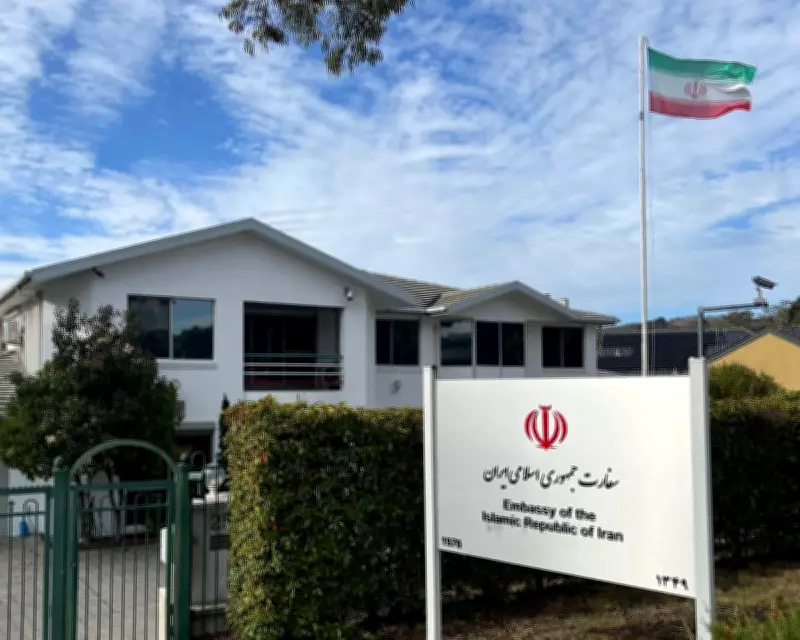
Iran's embassy in Australia has issued a controversial appeal, urging Iranian expatriates to support the Islamic Republic's war efforts. The call, published on the embassy's social media channels, has ignited a fierce debate about dual loyalty and the legal boundaries of diplomatic engagement.
Embassy's Appeal
The statement from the embassy in Canberra encouraged Iranian-Australians to contribute financially and morally to what it described as a 'defensive war' against external aggression. It emphasized the duty of all Iranians, regardless of residence, to back the nation during times of conflict.
Reactions from the Community
The appeal has drawn mixed reactions. Some members of the Iranian diaspora expressed solidarity, while others condemned the embassy's move as an attempt to exploit dual nationals. 'We are Australians first,' said a spokesperson for the Iranian-Australian Community Group. 'Our loyalty is to Australia, and we reject any foreign interference.'
Legal and Political Implications
Australian legal experts have pointed out that while it is not illegal for foreign embassies to solicit support from their nationals abroad, such actions can cross into problematic territory if they encourage activities contrary to Australian law or foreign interference. A former diplomat noted, 'Embassies have the right to communicate with their citizens, but they must respect the host country's sovereignty.'
The Australian government has not yet issued an official response, but the incident has prompted calls for a review of diplomatic protocols. Opposition politicians have demanded clarity on what constitutes permissible conduct for foreign missions in Australia.
Broader Context
The appeal comes amid heightened tensions between Iran and Western nations over its nuclear program and regional military activities. The war effort referenced by the embassy is believed to relate to Iran's involvement in conflicts in the Middle East, though specific details remain vague.
This development underscores the challenges faced by diaspora communities caught between their heritage and their adopted homeland. It also highlights the delicate balance between diplomatic freedom and national security in multicultural societies like Australia.




