
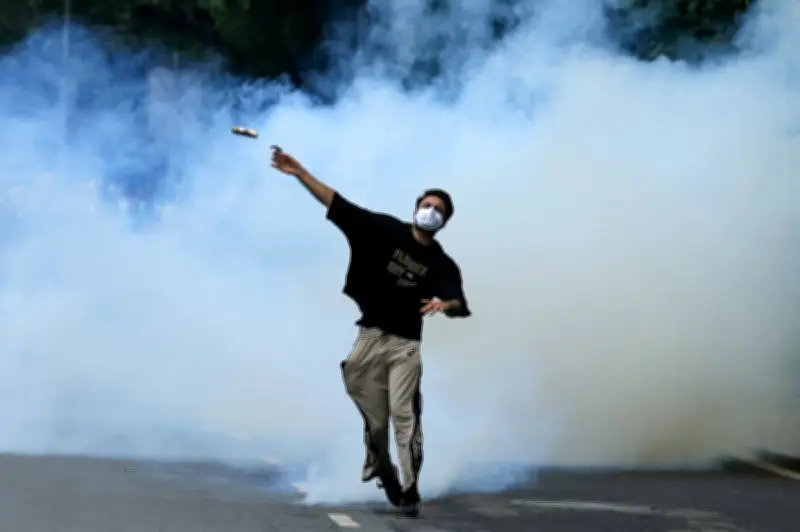
What began as a satirical joke has evolved into a formidable youth-led movement in India, the Cockroach Janta party, which has galvanized millions of young people frustrated with the education system and high unemployment rates. The protests, marked by anger, defiance, and a hunger strike, have spread across major cities including New Delhi, Bengaluru, Mumbai, and Ahmedabad.
Origins and rapid mobilization
The Cockroach Janta party was founded by Abhijeet Dipke, initially as a humorous political entity. However, it quickly gained traction among India's youth, who are disillusioned by systemic issues such as exam paper leaks and lack of job opportunities. The movement's name, 'Cockroach,' symbolizes resilience and the ability to survive despite adversity.
According to reports, the protests intensified after the forced removal of activist Sonam Wangchuk, who had been on an indefinite hunger strike in support of the Cockroach Janta party. Wangchuk's hunger strike drew attention to the party's demands, including the resignation of Education Minister Dharmendra Pradhan over alleged exam paper leaks.
Nationwide demonstrations
On 20 July 2026, thousands of protesters marched towards India's parliament in New Delhi, demanding Pradhan's resignation. The demonstrations turned confrontational as police used tear gas and detained numerous activists. In Bengaluru, activists protested against Wangchuk's forced removal, while in Mumbai, police detained supporters of the Cockroach Janta party.
Photographs from the protests show scenes of defiance: protesters throwing tear gas canisters back at police, scuffles with security forces, and demonstrators holding posters of Bhagat Singh, an Indian revolutionary freedom fighter. A woman held a sanitary pad with a slogan, highlighting the movement's inclusive nature.
Political fallout
India's opposition leader, Rahul Gandhi, staged a sit-in protest outside Prime Minister Narendra Modi's residence on 21 July, calling for Modi's resignation. Gandhi's detention by security personnel underscored the political tension surrounding the protests.
The Cockroach Janta party's founder, Abhijeet Dipke, was seen reacting as doctors checked Wangchuk's vital signs during his hunger strike. Wangchuk was later taken to a hospital by authorities on 19 July, prompting further gatherings of supporters in New Delhi.
Impact and ongoing protests
The movement has highlighted deep-seated grievances among India's youth, particularly regarding the education system and employment prospects. The protests have continued into late July, with demonstrators in New Delhi maintaining their presence even as the monsoon session of parliament commenced.
As the Cockroach Janta party gains momentum, it remains to be seen how the government will respond to the demands for educational reform and accountability. The movement's ability to sustain public pressure could shape India's political landscape in the coming months.




