ICE Crackdown Sparks Fear in Michigan's Arab American Communities
In Dearborn, Michigan, a city with a rich Arab American heritage, a wave of immigration enforcement actions by U.S. Immigration and Customs Enforcement (ICE) has instilled deep fear and anxiety among residents. Families are being torn apart as individuals are detained at places of worship and workplaces, leading to devastating personal and financial consequences.
A Family's Nightmare Unfolds
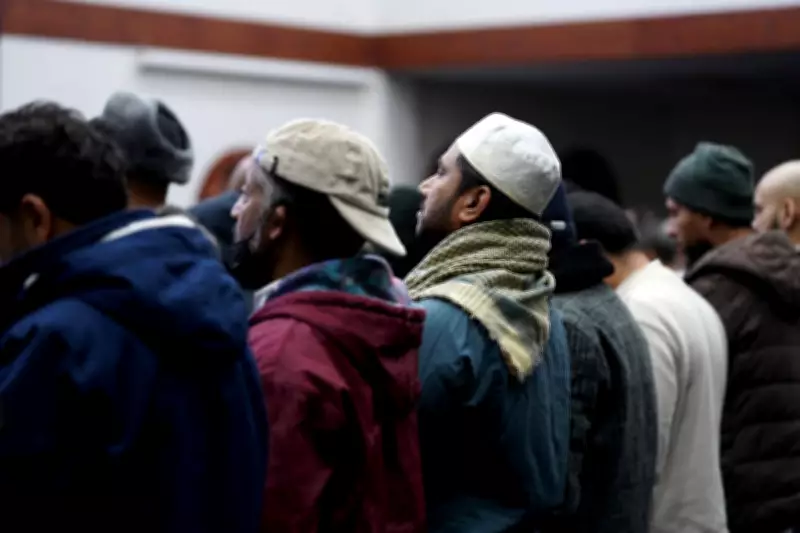
Lorenda Lewis, a U.S. citizen, recounts the harrowing experience of her husband, Abdelouahid Aouchiche, an Algerian national, who was arrested outside the Furqan mosque during morning prayers in October. Her 12-year-old son witnessed the incident, adding to the trauma. Aouchiche has been held at the North Lake processing center in Baldwin, Michigan, and is now facing imminent deportation to Algeria, a country he hasn't visited in over three decades.
Legal battles are ongoing, with his attorneys arguing that the deportation violates immigration laws due to pending appeals. ICE claims Aouchiche is a criminal alien with a final removal order from 2008, but his lawyer disputes the severity of past charges, stating they involved a misdemeanor probation sentence.
Community-Wide Impact and Rising Tensions
From truck drivers to construction workers, Arab Americans in Dearborn are increasingly targeted by ICE, creating a climate of uncertainty. Imad Hamad, executive director of the American Human Rights Council, notes that anxiety levels are at an all-time high, surpassing even the post-9/11 era. Recent incidents, including anti-Islam rallies and impersonations of ICE agents, have exacerbated fears.
Political shifts have also played a role. In the 2024 presidential election, many Arab Americans in Dearborn supported Donald Trump due to dissatisfaction with his opponent's stance on Gaza. However, since Trump's return to office, policies such as travel bans and plans to terminate Temporary Protected Status for Yemenis have left communities feeling targeted and disillusioned.
Broader Implications and Systemic Issues
The case highlights systemic issues within immigration enforcement. Data from the Deportation Data Project indicates Aouchiche was classified as an "other immigration violator," a category meant for those without criminal convictions, raising questions about ICE's methods. Facilities like the North Lake processing center, operated by Geo Group, have faced lawsuits and controversies over conditions and alleged forced labor.
For families like Lewis's, the impact is profound. As the sole breadwinner and caretaker for six children, she faces financial strain and emotional distress. Her children are in therapy to cope with the stress, and visits to the detention center have been demeaning and logistically challenging.
This situation underscores the urgent need for immigration reform and greater community support, as Arab Americans in Michigan navigate an increasingly hostile environment.