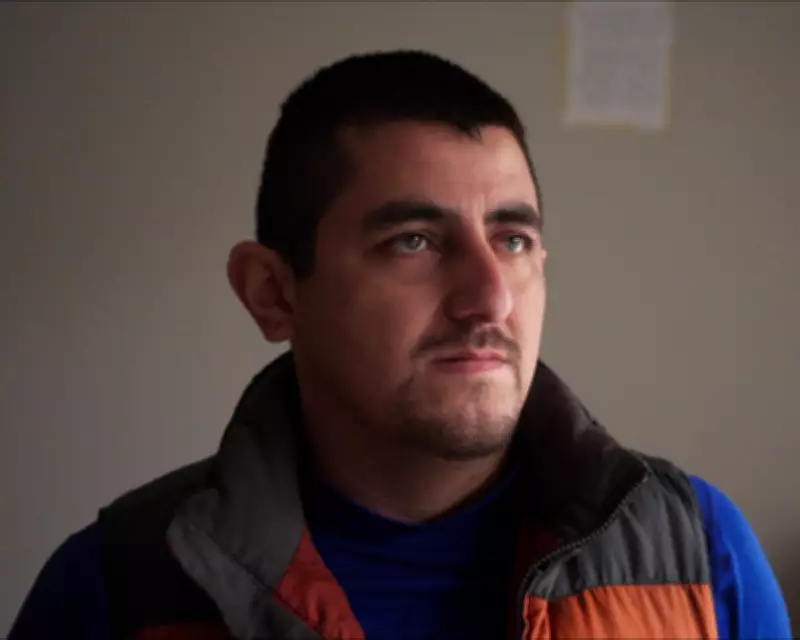
Dual Investigations Launched into ICE Arrest That Left Man with Eight Skull Fractures
Federal and state authorities in Minnesota have launched parallel investigations into the violent arrest of Mexican citizen Alberto Castañeda Mondragón, who suffered eight skull fractures during an Immigration and Customs Enforcement operation in January. The 31-year-old remains hospitalized with brain hemorrhaging and fragmented memory following what he describes as a brutal beating by ICE agents.
Conflicting Accounts and Missing Evidence
ICE officials maintain that Castañeda Mondragón injured himself while attempting to flee custody, claiming he "fell and hit his head against a concrete wall" while handcuffed. However, medical professionals who treated the man at a Minneapolis hospital told the Associated Press that such a fall could not plausibly account for his extensive injuries. A CT scan revealed fractures to the front, back, and both sides of his skull, which doctors described as inconsistent with a simple fall.
Castañeda Mondragón, in an interview published earlier this month, stated that arresting officers were "racist" and "started beating me right away when they arrested me." His legal team has argued that ICE engaged in racial profiling during the January 8 arrest in a St. Paul shopping center parking lot.
Investigative Challenges and Surveillance Issues
Both St. Paul police and FBI investigators canvassed the parking lot last week, seeking surveillance footage from nearby businesses. Their efforts have been hampered by the passage of time, with at least one business confirming that their security camera footage had been automatically overwritten after 30 days. Johnny Ratana, owner of Teepwo Market facing the parking lot, reported visits from both local police and FBI agents attempting to recover lost video evidence.
The delayed investigation has raised questions about procedural failures. St. Paul police acknowledged they could not begin investigating until Castañeda Mondragón filed a formal police report, a process complicated by his hospitalization and immigration status uncertainties. Police finally took his statement at the Mexican consulate a week ago, more than a month after the incident.
ICE's Evolving Narrative and Legal Complications
ICE's account of the arrest has shifted significantly. While Department of Homeland Security spokesperson Tricia McLaughlin claimed Castañeda Mondragón was specifically targeted for removal as an "illegal alien," a January 20 court filing revealed ICE only determined he had overstayed his work visa after taking him into custody. McLaughlin did not respond to questions about these contradictory statements.
The case unfolds against a backdrop of other federal investigations into ICE conduct in Minnesota. Federal prosecutors recently dropped charges against two Venezuelan men after video evidence contradicted ICE officers' sworn testimony about a separate incident. Additionally, the Justice Department has opened a civil rights investigation into the January 24 fatal shooting of Alex Pretti by federal immigration officers.
Legal and Immigration Consequences
Ramsey County Chief Prosecutor John Choi has committed to investigating "past and future allegations of criminal conduct by federal agents," signaling potential state-level charges against ICE personnel. Meanwhile, Castañeda Mondragón faces an uncertain future, having been summoned to meet with ICE on February 23 at their Minneapolis detention facility, where he could potentially be taken back into custody and deported.
The Department of Homeland Security has refused to answer detailed questions about the incident, including whether officers recorded body-worn camera footage during the arrest. As investigations continue, the case highlights growing tensions between local authorities and federal immigration enforcement agencies, with medical evidence and witness accounts challenging official narratives of what transpired during the January arrest.