
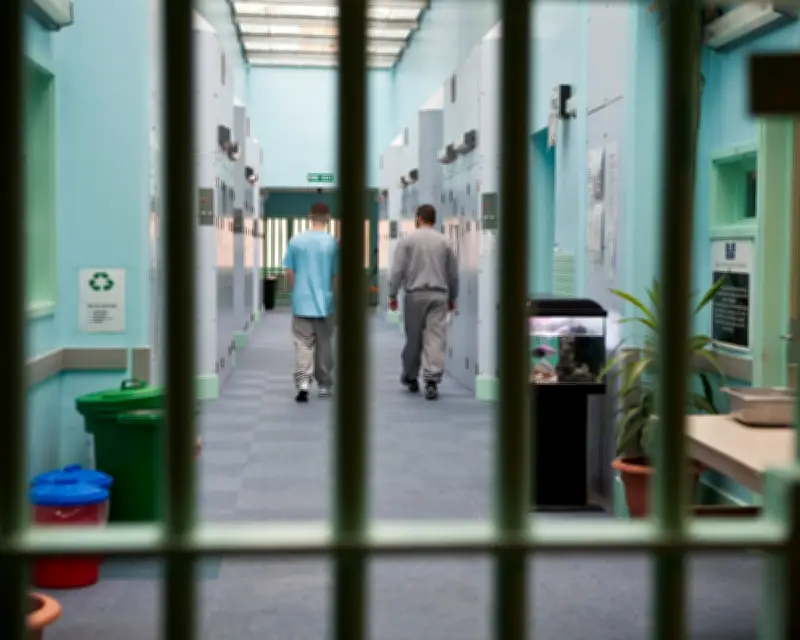
Successful diversion model from the 1980s
Jim Crook, former director of the Northampton juvenile liaison bureau, supports raising the age of criminal responsibility from 10 to 14, as argued by Kirsty Brimelow. He highlights the bureau's success in diverting over 80% of offending children aged 10-17 away from the criminal justice system using informal methods including restorative justice.
National model and cost savings
The bureau became a national model for youth-offending teams. Research showed no increase in youth offending or repeat offences. In today's money, it saved nearly £2m per year in Northampton alone by reducing court sittings and processing fewer children, preventing criminal convictions and records.
Key factors in preventing reoffending
Research found that for most children, being caught, spending a night in police cells, and facing parents had the biggest impact on preventing further offending. Crook's firsthand experience underscores the effectiveness of diversion over incarceration.




