Detroit Police Reversal on Firing Officers Who Called Border Agents Sparks Outrage and Political Debate
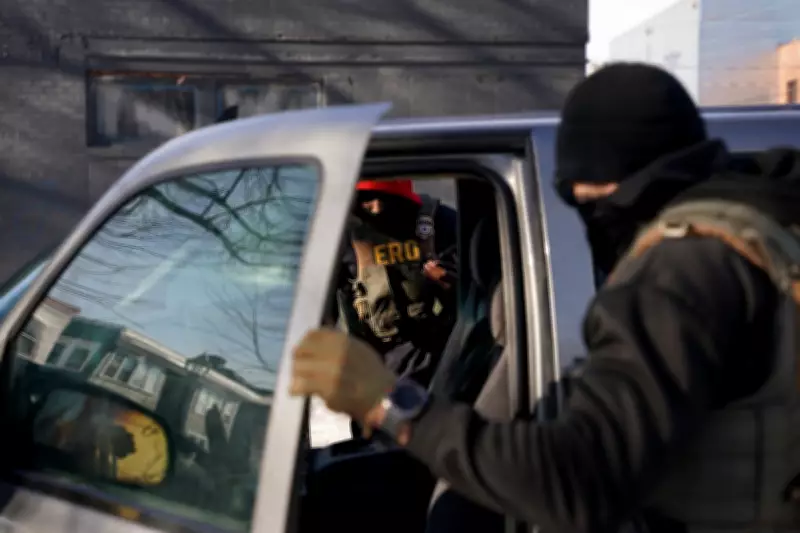
A decision by the Detroit Police Department to reverse course on firing two officers who allegedly violated local law by coordinating with federal immigration agents has ignited widespread outrage and accusations that the police chief caved to Republican political demands. This controversy has played directly into the broader national debate in the United States regarding the role of local law enforcement amid ongoing immigration enforcement crackdowns.
Background of the Controversial Incidents
The initial decision not to terminate the officers—who called Customs and Border Protection agents partly because the subjects involved did not speak English—came after the Trump administration and Michigan Republican leadership publicly condemned the department on social media platforms. The reversal has drawn sharp criticism from community advocates, who argue that the city initially took appropriate action but then buckled under significant political pressure.
Chris Gilmer-Hill, a community organizer and candidate for state house in a district that partially represents Detroit, described the about-face as "surprising and troubling." Gilmer-Hill emphasized that "the majority of Detroiters ... we don't support what ICE is doing and we don't support what these officers did. So we need DPD to listen to what the people in Detroit want them to do."
Specific Incidents and Investigation Details
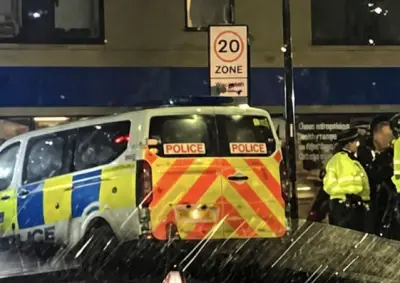
The controversy stems from multiple incidents. On December 16, Detroit police called border officers regarding an immigrant who was actually a crime victim, and that individual is now facing deportation proceedings. Another incident on February 9 came to light when a local reporter observed Detroit police officers and border agents standing together on a downtown Detroit street. When questioned, officers declined to comment before departing the scene.
Detroit Police Chief Todd Bettison announced an investigation days later, stating that a sergeant had called Border Patrol to request translation services during a traffic stop. According to Bettison's statement, border agents "conducted their investigation ... determined that the individual was not a US citizen" and took the person into custody, where they now face deportation.
Bodycam Footage Reveals Troubling Details
On February 25, bodycam footage of the incident leaked to YouTube revealed officers stating that the Venezuelan man could be "Pablo Escobar Jr." One officer is heard telling the man he "better start" speaking English because he's "going to jail, buddy." Christine Suavé, policy, engagement, and communications manager with the Michigan Immigrants Rights Center, argued that the translation justification was likely a pretext, noting that Detroit offers translation services and city ordinance clearly prohibits officers from calling federal immigration agents.
Suavé explained that Detroit police officers understand the consequences of calling border patrol, and their actions have "devastating consequences" because they dramatically reduce trust in local police within immigrant communities. "It's disappointing that politics got in the way of good police policy," Suavé added, noting that while the center has generally found the department to be a "good partner" on immigration issues, they have not yet discussed this specific matter with police leadership.
Political Pressure and Department Response
In the days following the incident, police leadership emphasized they took the ordinance violation seriously. Assistant Police Chief Charles Fitzgerald told the Detroit City Council, "We're just not in the immigration business. We never have been. Never will be. It's an extremely serious matter, and that's how we take it."
On February 19, the Detroit Police Board of Commissioners voted unanimously to suspend the two officers for 30 days without pay. Soon after, Republican leaders expressed opposition to these disciplinary measures. Immigration and Customs Enforcement responded on social media on February 20, offering the officers jobs with the message: "We have a place for you, patriots." The Department of Homeland Security later posted: "It's absurd that two Detroit police officers would face punishment for alerting CBP about a criminal illegal alien – they are American heroes who chose public safety first."
Fundraising and Legal Challenges
Meanwhile, Michigan gubernatorial candidate Mike Cox announced on social media that he had established a GoFundMe page that had raised nearly $28,000 by Wednesday. The fundraising page stated: "After decades of service to the people of Detroit, two respected police officers are now suspended without pay for 30 days. Not for misconduct, corruption, or neglect of duty, but for coordinating with federal law enforcement during routine police work."
Amid this political blowback and a lawsuit filed by one of the officers—a 27-year veteran—Police Chief Bettison announced he would not pursue termination of the officers. In his statement, Bettison said: "I am satisfied with the [board of commissioners'] decision, and I will not be pursuing termination of these two officers."
Legal Defense and Ongoing Implications
In the lawsuit, the officer defended their actions, claiming the individual provided a fraudulent electronic Michigan driver's license, and the officer needed to verify the person's identity after being unable to do so with a department-issued fingerprint scanner, leading to the call to border patrol. The leaked bodycam footage shows the officer stating that a lieutenant instructed her to call border patrol, though the department has not commented on this alleged instruction.
Detroit Mayor Mary Sheffield's spokesperson issued a statement after the reversal, noting that the mayor "supports" the policy against officers calling immigration agents. "When the policy is violated, the chief and the board of police commissioners are responsible for determining the appropriate level of discipline, and Mayor Sheffield fully respects that process," the statement said.
Broader Implications for Community Trust
Gilmer-Hill emphasized that this controversy highlights the need for stronger laws that clearly spell out punishment for officers who violate immigration cooperation policies. "Detroit thrives on its diversity and should be welcoming to everyone," Gilmer-Hill stated. "When there's a constant threat that for some people, if you have a simple interaction with DPD, then that could throw your whole life up in the air – it is incredibly scary, but that's part of the intention."
The situation continues to underscore the tension between local law enforcement policies in Democratic-run cities and federal immigration enforcement priorities, with Detroit serving as a focal point in this ongoing national debate about police-community relations and immigration enforcement.