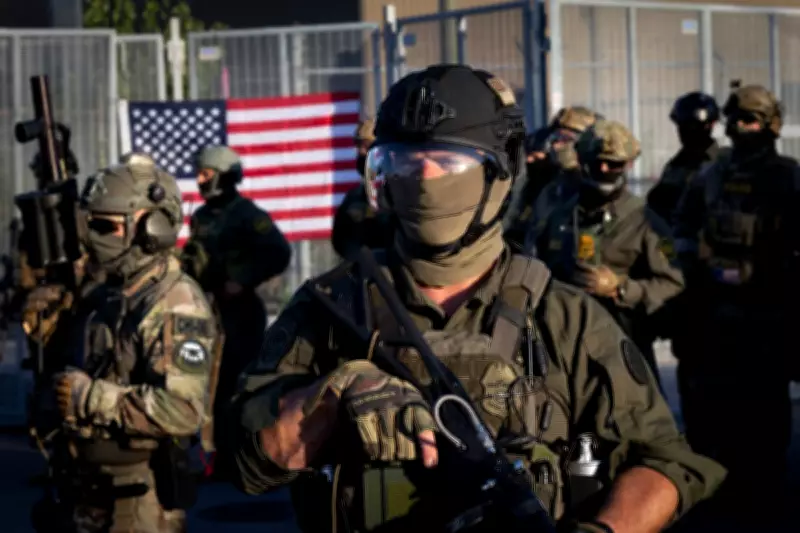
Federal agents were photographed outside an immigration processing centre in Broadview, Illinois, last year, highlighting the ongoing tensions surrounding enforcement operations. The image serves as a backdrop to a significant political confrontation unfolding in Washington.
Democrats Take Hard Line on Immigration Enforcement Reforms
In the wake of the fatal shootings of American citizens Renee Good and Alex Pretti by federal agents in Minneapolis last month, Democratic leaders have adopted an uncompromising stance. They have declared their refusal to support long-term funding for the Department of Homeland Security unless Republicans agree to substantial reforms targeting the tactics of federal agents implementing immigration policies.
The Senate Minority Leader, Chuck Schumer, and House Minority Leader, Hakeem Jeffries, articulated this position in a formal letter to GOP leadership. "The American people rightfully expect their elected representatives to take action to rein in ICE and ensure no more lives are lost," they stated, setting a deadline to avert a funding lapse on 13 February.
Ten Key Demands for Legislative Action
Democrats have outlined a comprehensive list of ten demands aimed at overhauling immigration enforcement practices. While Republicans, who control both legislative chambers, have already dismissed many of these proposals, Democrats are preparing to introduce legislation to codify their reforms.
- Targeted Enforcement: Prohibit DHS officers from entering private property without a judicial warrant, end indiscriminate arrests, improve warrant procedures, and require verification of non-citizen status before immigration detention.
- No Masks: Ban ICE and immigration enforcement agents from wearing masks or other face coverings during operations.
- Require ID: Mandate that DHS officers display their agency, unique ID number, and last name during enforcement, and verbalise this information upon request.
- Protect Sensitive Locations: Prohibit the use of funds for enforcement near medical facilities, schools, childcare centres, churches, polling places, courts, and similar locations.
- Stop Racial Profiling: Forbid DHS officers from conducting stops, questioning, or searches based on location, occupation, language, accent, race, or ethnicity.
- Uphold Use-of-Force Standards: Enact a reasonable use-of-force policy into law, expand training, require officer certification, and remove officers from the field pending investigation after incidents.
- Ensure State and Local Coordination: Preserve the ability of state and local jurisdictions to investigate and prosecute potential crimes and excessive-force incidents, require evidence preservation and sharing, and mandate consent for large-scale operations outside targeted enforcement.
- Build Safeguards into the System: Clarify that all detention facilities must adhere to basic standards, including immediate attorney access, allow states to sue DHS for violations, and prohibit limits on member visits to ICE facilities.
- Body Cameras for Accountability: Require the use of body-worn cameras during public interactions, with mandated storage and access protocols, and prohibit tracking or database creation related to First Amendment activities.
- No Paramilitary Police: Regulate and standardise uniforms and equipment used by DHS officers to align with civil enforcement standards.
Political Implications and Next Steps
This standoff reflects deepening partisan divides over immigration policy and law enforcement accountability. The Democrats' demands, centred on transparency, oversight, and civil liberties, directly challenge current practices under the Trump administration's crackdown. As the funding deadline approaches, the political manoeuvring is expected to intensify, with potential implications for border security operations and intergovernmental relations.
The broader context includes ongoing debates about the role of federal agencies in domestic enforcement and the balance between security measures and individual rights. This development underscores the high stakes in immigration politics, where legislative battles often intersect with fundamental questions of justice and governance.