
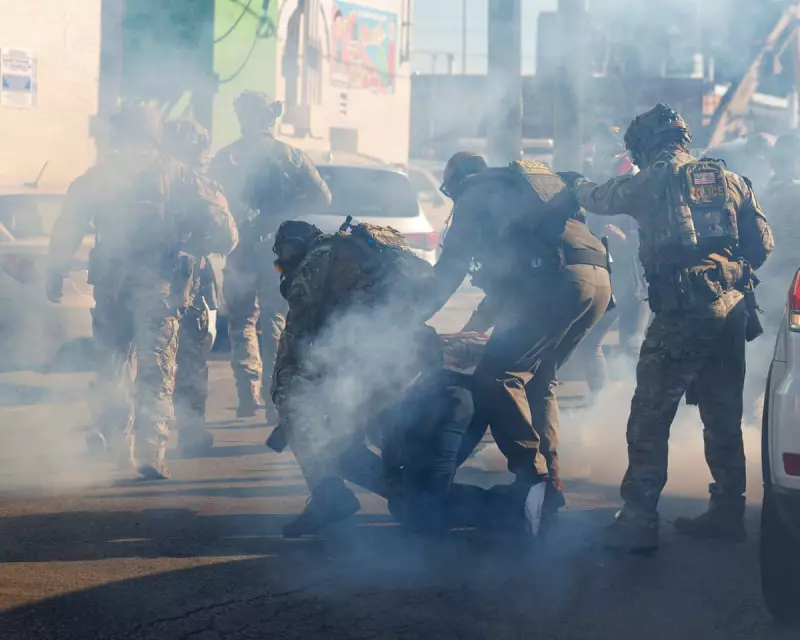
A recent immigration enforcement operation in Chicago has sparked significant community outrage and raised serious questions about the methods used by US immigration authorities. The incident, which occurred in late November 2025, has become a flashpoint in the ongoing national debate about immigration policy and enforcement tactics.
The Operation That Shook a Community
According to reports, Immigration and Customs Enforcement (ICE) agents conducted a targeted operation in a Chicago neighbourhood, leading to multiple arrests and creating widespread fear among local residents. The raid took place in late November 2025, though specific dates have been withheld to protect those involved.
Witnesses described scenes of confusion and distress as armed officers entered residential buildings and questioned people about their immigration status. The operation appeared to focus on areas with high concentrations of immigrant families, many of whom have lived in the community for years.
Community Response and Organised Resistance
In the aftermath of the enforcement action, local organisations and community leaders swiftly mobilised to support affected families. Community defence networks activated emergency response systems, providing legal assistance, temporary shelter, and emotional support to those targeted by the operation.
One organiser, whose identity remains protected for safety reasons, explained how neighbourhood watch groups had developed specific protocols for such situations. These include text alert systems, know-your-rights training sessions, and rapid response teams equipped with legal resources.
The community's organised response highlights a growing trend of grassroots resistance to immigration enforcement actions across the United States. Many residents see these operations as unnecessarily aggressive and damaging to the social fabric of their neighbourhoods.
Broader Implications for Immigration Policy
This incident in Chicago reflects wider national tensions surrounding immigration enforcement strategies. Critics argue that such operations create an atmosphere of fear and distrust, making communities less safe as residents become reluctant to report crimes or cooperate with law enforcement.
The timing of this operation coincides with ongoing political debates about the future of US immigration policy. Advocacy groups have pointed to the Chicago incident as evidence of what they describe as an increasingly oppressive approach to immigration enforcement.
Local officials have expressed concern about the impact of such operations on community-police relations, noting that trust built over years can be quickly eroded by aggressive enforcement actions that affect entire communities rather than specific individuals.
As the situation continues to develop, community organisers remain vigilant, preparing for potential future operations while advocating for policy changes at both local and national levels. The events in Chicago serve as a powerful reminder of the human impact behind immigration policy debates and the resilience of communities facing what they perceive as systemic oppression.




