
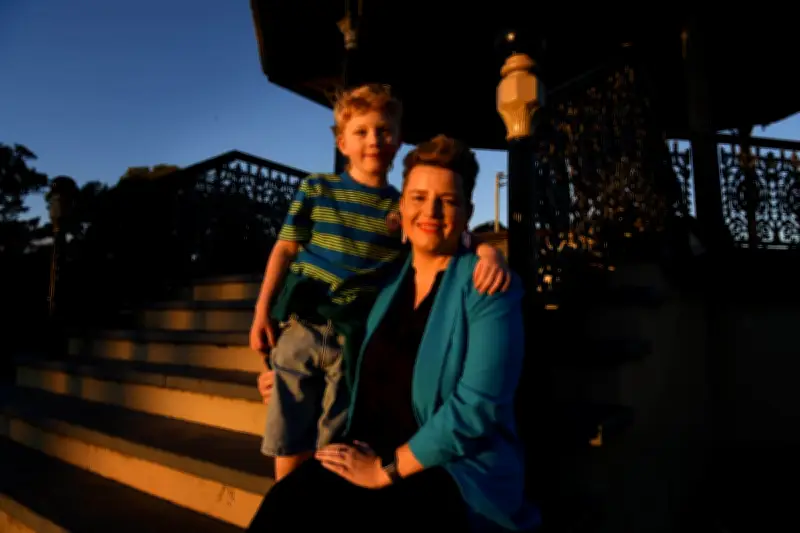
Australia's upcoming national census on 11 August will for the first time include questions about sexual orientation, sex at birth, and gender, a change hailed as the most progressive in the country's history. The move follows years of advocacy by LGBTQ+ groups and individuals, including April Long, a parent who filed a discrimination complaint after the 2021 census failed to capture their family accurately.
Personal cost for advocacy
April Long, a self-described data nerd, was excited to fill in their first census after welcoming their son Kai. But the 2021 survey excluded Long's role as a parent, made assumptions about their gender, and asked where Kai's mother and father were born—when he has two mothers. Long quickly became the subject of targeted discrimination, with many assuming Kai needed a father because he was a boy. "It came at a personal cost, but the alternative was we did nothing and hoped that something changed – history shows us that just doesn't work," Long said.
Changes in the 2026 census
Starting in 2026, Australians over 16 will be asked to identify their sexual orientation and will receive separate questions on sex at birth and gender. The census also introduces non-gendered terms for household and family relationships. Dr Liz Allen, a demographer at the Australian National University, called it "probably the most progressive census Australia has ever seen." She added, "Imagine being born into a body or orientation that you have absolutely no control over and yet you are forced to put yourself in a box you simply don't fit in."
Political journey
The Australian Bureau of Statistics explored adding gender and sex topics for years, especially after Australians voted to legalize same-sex marriage in 2017. However, the final decision rests with the government. Under the Liberal party in 2021, assistant treasurer Michael Sukkar had planned to vote "no" on same-sex marriage. Labor's victory in 2022 reinvigorated hope. In September 2022, Long and Equality Australia lodged a complaint with the Australian Human Rights Commission, alleging unlawful discrimination. In August 2023, the ABS published a statement of regret and committed to changes, including an LGBTQ+ expert advisory committee for the 2026 census.
Backtracking and final decision
In 2024, Labor initially walked back on its commitment, confirming it would not include questions on sexual orientation or intersex variations. The following two weeks were "nothing short of a shit show," Allen said. Deputy Prime Minister Richard Marles said the government wanted to avoid a "divisive debate." Prime Minister Anthony Albanese made a captain's call to exclude the questions over fears of a culture war. But as furore grew, Albanese backed down. The ABS will include one new question on sexuality, later expanded to include gender. A topic on variations of sex characteristics was not recommended and will not be included.
Impact and significance
Census data informs almost every aspect of Australians' lives. Previous limitations meant LGBTQ+ needs were not adequately catered for in policymaking. "What counts matters because what matters is counted," Allen said. LGBTIQ+ Health Australia noted that within months, Australia will have unprecedented data on LGBTQ+ communities to shape policy and services. Emily Walter, the ABS's census national spokesperson, said, "This ability to reflect the Australian community will provide such an important part of the value that the census brings." Long and their family are planning a census party for this year's survey. "It's not perfect, we didn't get everything we wanted, but I think there's moments in history where change might seem small but is actually quite profound," Long said. They look forward to Kai completing his first census: "He doesn't have to wonder if his family fits in. It will just be normal."




