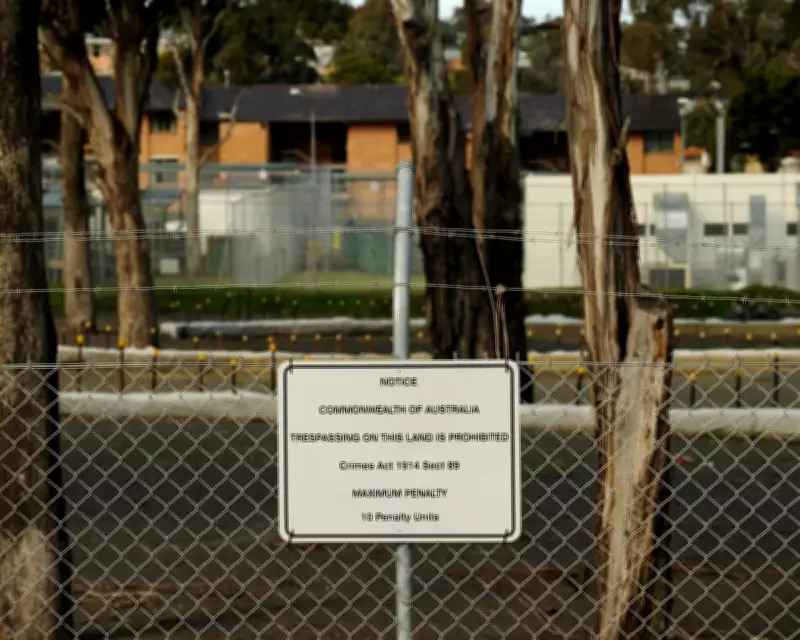
In a notable shift in operational logistics, Australian immigration authorities have begun utilizing Kia Carnival minivans for the transportation of detainees. This move, implemented as part of broader immigration management strategies, has drawn attention for its unconventional approach in a sector typically associated with more specialized vehicles.
Details of the Vehicle Deployment
The Kia Carnival, a popular family minivan model, is now being repurposed to ferry individuals held under immigration detention across various locations in Australia. Sources indicate that these vehicles have been integrated into the fleet to address logistical demands and potentially reduce operational costs. The deployment underscores efforts to streamline transport processes within the immigration system, which has faced increasing scrutiny over efficiency and resource allocation.
Cost and Security Considerations
Officials have highlighted the cost-effectiveness of using commercially available minivans like the Kia Carnival, arguing that they offer a practical solution compared to custom-built transport vehicles. However, this decision has sparked debate among critics who question the adequacy of security measures. Concerns have been raised about whether standard minivans provide sufficient safeguards for both detainees and personnel, given the sensitive nature of immigration detention.
Proponents counter that the vehicles are equipped with necessary modifications to ensure safety, and their use aligns with budget constraints in a challenging fiscal environment. The discussion reflects broader tensions in immigration policy, where balancing financial prudence with security protocols remains a contentious issue.
Broader Immigration Context
This development occurs against a backdrop of ongoing reforms and public debate over Australia's immigration practices. With detention centers often at the center of political discourse, the choice of transport vehicles may seem minor but symbolizes larger questions about resource management and operational transparency. Stakeholders, including advocacy groups and policymakers, are closely monitoring how such logistical changes impact the overall treatment and handling of detainees.
As Australia continues to navigate complex immigration challenges, the use of Kia Carnival minivans serves as a tangible example of how everyday decisions can influence perceptions and outcomes in this critical area. Future evaluations will likely assess whether this approach proves sustainable and effective in meeting both logistical and ethical standards.