
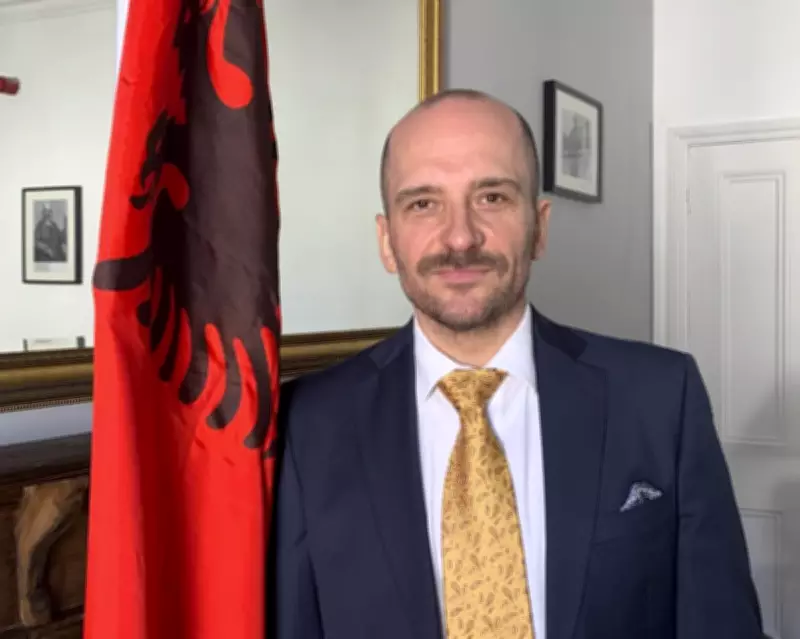
Albanians residing in the United Kingdom are enduring significant hardship as they become targets of scapegoating by right-wing media outlets and political figures, according to a stark warning from the Albanian ambassador. Uran Ferizi has voiced his concerns in a detailed letter to the Guardian, highlighting what he describes as an "obsession" with demonizing the Albanian community, which has permeated public discourse and even parliamentary debates.
Parliamentary and Media Criticism
Ferizi specifically criticized Home Secretary Shabana Mahmood for singling out Albanians during discussions on immigration issues in parliament. "When a minister names a nationality in parliament, rather than a behavior or a particular type of crime, they do not describe a problem, they create a target," the ambassador asserted. He emphasized that this trend of demonization has reached the highest levels of government, affecting the daily lives of Albanian workers, families, and schoolchildren who face prejudice and discrimination.
Misuse of Statistics and Historical Context
The ambassador pointed to instances of misreported statistics, such as a 2024 Daily Telegraph analysis claiming that one in 50 Albanians in the UK is in prison, which he argued ignores basic statistical accuracy. Ferizi explained that when data is properly weighted for factors like sex, age, and income, Albanians are imprisoned at rates comparable to native-born Britons. However, he noted that such nuanced findings are often overlooked in favor of sensationalist narratives that reinforce negative stereotypes.
Ferizi drew parallels between the current treatment of Albanians and historical scapegoating of other immigrant groups in the UK, such as Jews, Irish, and Poles. "Each time the narrative revealed the anxieties of the moment rather than the character of the people," he remarked, suggesting that this pattern reflects broader societal fears rather than factual realities about the Albanian community.
Personal Experiences of Discrimination
The embassy shared several anonymized accounts from Albanians in the UK who have faced discrimination. One woman in the tech sector reported reluctance to promote Albanian events on LinkedIn due to derogatory comments from colleagues labeling Albanians as "criminals and dangerous." Others described barriers to career advancement and instances where their Albanian background led to prejudiced remarks in professional settings.
Ariseld Muca, a business owner in London's property maintenance sector, recounted how clients frequently referenced negative news reports about "Albanian criminals" during negotiations, hindering his ability to secure deals. These stories underscore the tangible impacts of media portrayals on individual livelihoods and community cohesion.
Government and Media Responses
In response to the ambassador's criticisms, a Home Office spokesperson stated, "We highly value the Albanian community in the UK and our longstanding partnership with the Albanian government to crack down on illegal migration and criminality." The spokesperson added that anyone in the UK illegally, regardless of nationality, faces removal. The Daily Telegraph has been approached for comment but has not yet issued a statement.
Ferizi's letter calls for a more balanced and factual approach in public discourse, urging media and politicians to avoid perpetuating harmful stereotypes that unfairly target the Albanian community. As debates on immigration continue, the ambassador's words highlight the need for empathy and accuracy in addressing complex social issues.




