
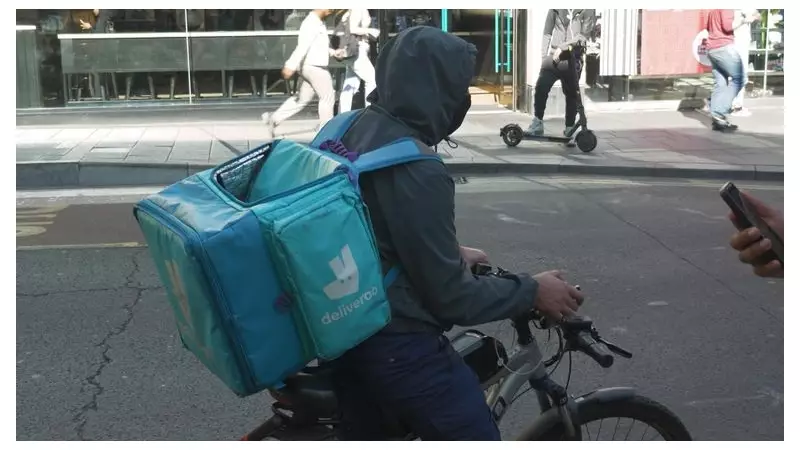
The UK government has announced a significant enforcement operation targeting illegal working within the gig economy, resulting in 171 arrests last month. As part of this crackdown, 60 delivery riders found to be working without legal permission are now facing deportation from the country.
Nationwide Operation Targets Delivery Sector
According to the Home Office, the targeted action last month led to arrests across the UK. Officials detained individuals including Chinese nationals working in a Solihull restaurant, Bangladeshi and Indian delivery riders in east London, and Indian delivery riders operating in Norwich. The operation is a direct component of the government's wider strategy to deter people from entering the UK illegally by making it harder to find work.
The scale of the issue is underscored by official statistics. Home Office figures reveal there were 8,232 arrests of illegal workers in the year to September, representing a sharp 63% increase compared to the previous twelve-month period.
Government Ministers Send a "Clear Message"
Border Security Minister Alex Norris stated the government was committed to rooting out criminality associated with illegal working in communities. He issued a stern warning, saying: "These results should send a clear message, if you are working illegally in this country, you will be arrested and removed."
He framed the action as part of the most sweeping changes to illegal migration in modern times, designed to reduce the incentives for illegal migration and increase the rate of removals. This follows reforms to the asylum system set out by Home Secretary Shabana Mahmood last month, aimed at making the UK less attractive for illegal migration.
Collaboration with Firms and New Legal Powers
Ministers have also been working directly with major food delivery platforms, including Deliveroo, Just Eat, and Uber Eats, to address sectoral abuse and ramp up identity checks to combat account-sharing. In a further step, the Home Office agreed in July to share the locations of asylum seeker hotels with these companies to tackle suspected hotspots of illegal working.
The crackdown coincides with the new Border Security, Asylum and Immigration Act becoming law. This legislation closes a loophole that previously allowed casual, temporary, or subcontracted workers to avoid proving their immigration status. The law also introduces severe penalties for employers: businesses that fail to carry out proper checks risk fines of up to £60,000 per illegal worker, a prison sentence of up to five years, and potential closure.




