
Welcome to the latest edition of The Crunch, your fortnightly guide to the stories told through data and charts. This week, we delve into a pivotal moment for Australian democracy, the eye-watering financial demands of the AI boom, a climate crisis reshaping American insurance, and a revealing look at the intimate habits of a generation.
Victoria's Last Stand for Group Voting Tickets
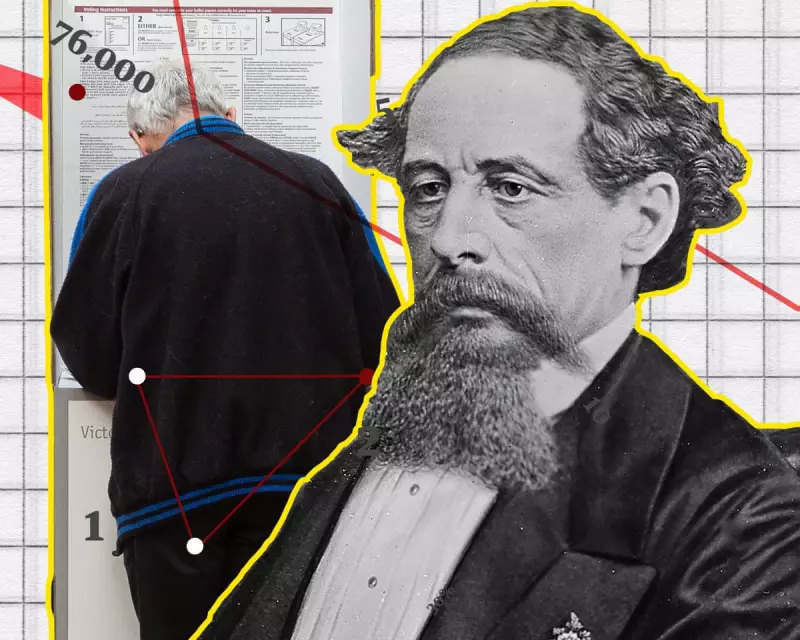
In Australian politics, the state of Victoria stands alone as the final jurisdiction still employing the controversial group voting ticket (GVT) system for its upper house elections. This mechanism allows voters to simply select a party 'above the line,' after which the party itself directs the flow of preferences once its own candidates are eliminated.
The system has long been criticised for enabling backroom deals, where minor parties can trade preferences to propel obscure candidates into office ahead of rivals who secured significantly more primary votes. A notorious example of this occurred during the 2018 Victorian state election.
This week, a significant shift moved closer as Victoria's electoral matters committee recommended the abolition of GVTs. Our analysis takes a deep dive into what the system entails and examines the various options on the table to reform Victoria's legislative council and replace the current model.
Four Essential Charts from the Fortnight
1. A Devastating Crypto Casino Loss
Journalists Julian Fell and Georgina Piper at the ABC have reported a harrowing case of a man who lost over US$180,000 gambling in a cryptocurrency casino. Astonishingly, more than US$40,000 of that sum was lost in just eight days. The story serves as a stark warning about the risks associated with unregulated online gambling platforms.
2. The Growing Crisis in US Home Insurance
Climate change is making its mark on the American housing market in a very direct way. In 2020, approximately 222,000 homes in California were covered by state-run or state-backed insurers of 'last resort' because private companies refused to cover them. By 2023, that number had surged by over 100,000 properties, as intensifying natural disasters render more homes uninsurable in the conventional market.
A Reuters visual story brilliantly illustrates how this trend is creating a vicious cycle, with these non-profit insurers potentially underpricing risk and exacerbating the financial strain.
3. The Staggering Cost of the AI Boom
Amid a flurry of analysis on the so-called 'AI bubble,' a chart from the Washington Post stands out. It highlights a jaw-dropping projection from JP Morgan: the tech industry will need to generate an additional US$650 billion in revenue every year just to earn a modest 10% return on its enormous investments in AI infrastructure.
To contextualise that colossal figure, Google's total revenue for 2024 was US$350 billion, while OpenAI's annual revenues are estimated at around US$20 billion.
4. The Power of Distribution Data
While many graphics rely on means and medians, a story from Works in Progress offers a masterclass in the value of showing full data distributions. Its analysis of how the English language is becoming easier to read is not only fascinating but is presented with a clarity that summary statistics often obscure, featuring an insightful scatterplot.
Off the Charts: Gen Z's Intimate Lives
Our colleague Mona Chalabi turns her insightful gaze to the sex lives of Generation Z in America. Through a series of engaging charts and statistics, the article explores a range of topics from the frequency of one-night stands and attitudes towards monogamy to the surprising intersections with political views. It provides a nuanced, data-driven portrait of a generation's changing intimate behaviours.
Bookmarks & Further Reading
This fortnight's notable visual journalism includes guides on the Hong Kong apartment fires from several major news outlets, a historical look at 1940s pie charts, and an interactive explainer on the World Bank's Statistical Performance Indicators. Bloomberg also experimented with format, producing a graphic novel on a key economic topic.
If you enjoy The Crunch, please consider forwarding this email or sharing the sign-up link with a friend or colleague who might appreciate our data-driven perspective on the news.




