
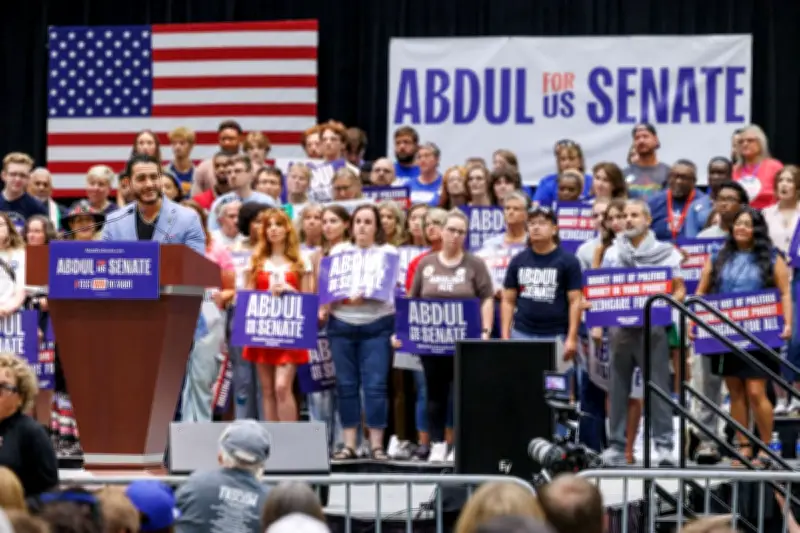
The 2026 midterm primary elections concluded with a clear message from voters: a preference for experienced, establishment-backed candidates over insurgent challengers. In races across the country, incumbents and party favorites secured nominations with relative ease, while progressive and far-right outsiders failed to gain traction, according to election analysts.
Establishment Wins Dominate Key Races
In Ohio's Senate primary, incumbent Democrat Sherrod Brown fended off a primary challenge from the left, securing 72% of the vote. Similarly, in Pennsylvania's gubernatorial race, Republican State Senator Doug Mastriano, a Trump-endorsed candidate, lost to more moderate businessman Dave McCormick, who took 58% of the vote. These results indicate a shift toward electability, with voters prioritizing candidates who can win in November.
Political strategist Sarah Longwell noted, "Voters are tired of the circus. They want people who can govern and win, not just perform." This sentiment was echoed in several other primaries where moderate Democrats and Republicans outperformed their more extreme opponents.
Turnout and Enthusiasm: A Mixed Picture
Overall turnout in the primaries was up 12% compared to the 2022 midterm cycle, according to preliminary data from the United States Election Project. However, enthusiasm was uneven: Democratic turnout surged in suburban districts, while Republican turnout was highest in rural areas. This geographic divide could shape the general election, with both parties eyeing key battleground states like Arizona, Georgia, and Wisconsin.
In Arizona's Senate primary, Democrat Ruben Gallego easily defeated his opponent, while Republican Kari Lake, a staunch Trump ally, narrowly won her primary by just 2,000 votes. Lake's victory has sparked concern among some Republicans who fear her polarizing style could cost them a winnable seat.
Progressive and Far-Right Challengers Falter
Progressive candidates, who had hoped to replicate the success of 'squad' members like Alexandria Ocasio-Cortez, faced significant setbacks. In Missouri, progressive candidate Cori Bush lost her primary to a more moderate Democrat, while in Michigan, incumbent Rashida Tlaib survived a challenge but with only 55% of the vote, a marked decline from her previous margins.
On the Republican side, far-right challengers in states like Kansas and Nebraska were defeated by incumbents who emphasized their committee seniority and legislative accomplishments. "The base is not in a revolutionary mood," said GOP pollster Whit Ayres. "They're looking for candidates who can hold the line, not blow it up."
Impact on the 2026 General Election
These primary results have significant implications for control of Congress. With the House currently split 218-217 in favor of Republicans, and the Senate tied 50-50, even small shifts could tip the balance. Analysts suggest that the establishment wins in primaries may help both parties in competitive districts, but they also risk alienating the activist bases that are crucial for voter turnout in November.
"The primaries have set the stage for a classic general election matchup," said political scientist Kyle Kondik. "Both parties are now running candidates who are more in tune with the median voter, which could lead to a close and highly competitive election."
As the campaign season heats up, all eyes will be on the key swing states and the ability of each party to unify its base while appealing to independents. The lessons from these primaries will likely shape strategy for both parties in the months ahead.




