
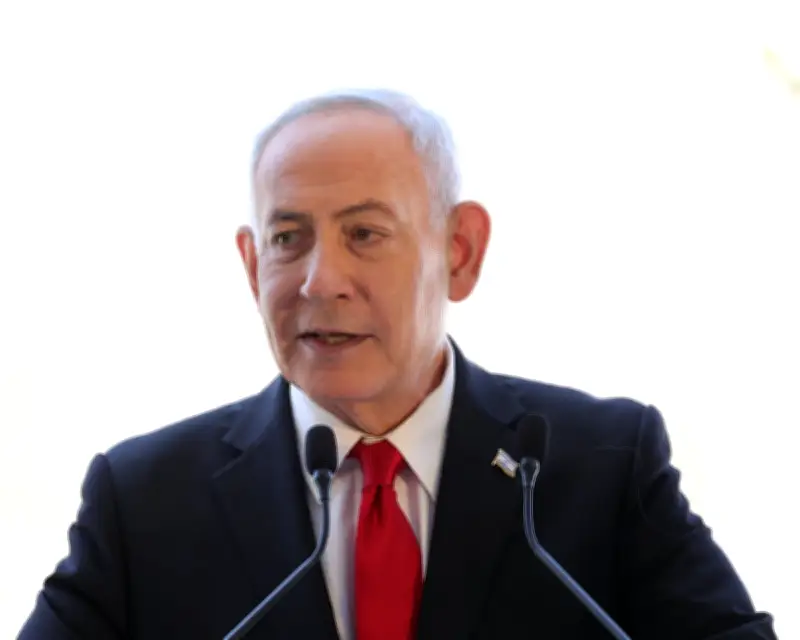
Israel will hold national elections on October 27, giving its citizens their first chance to pass judgment on Prime Minister Benjamin Netanyahu and his coalition since the Hamas-led attacks of October 7, 2023. The Knesset, Israel's parliament, will be dissolved on Friday, with just a few days left in session as the most far-right government in Israel's history rushes to pass several controversial laws to bolster its position before polling day.
Election Date and Legal Maneuvers
The election date was set on Sunday, and coalition Knesset members were ordered to stay in Jerusalem until Friday to ensure they are on hand for efforts to pass a last spate of laws. These include legislation to split and weaken the powers of the attorney general and enshrining study of the Torah as a "foundational value," equating it with military service—a step towards the draft exemption sought by ultra-orthodox parties that have been a core part of Netanyahu's coalition.
Violence in West Bank and Netanyahu's Legal Troubles
A deadly campaign of extremist violence to expand Israeli control in the occupied West Bank is expected to continue until election day, as settler militants and their political backers exploit their seat at the cabinet table. Netanyahu, 76, may be fighting for his personal freedom as well as his political future. He is on trial for corruption, despite interventions from Donald Trump calling for a pre-emptive pardon in the long-running case.
Polling and Political Survivor
Current polling indicates voters will kick him out of office, although Netanyahu is a consummate political survivor who has repeatedly defied expectations. It was on his watch that Hamas broke through the fence around Gaza to kill nearly 1,200 people, the majority of them civilians, on the bloodiest day in Israel's history. Three years of regional conflict have followed, including this year's war on Iran which most Israelis believe the country lost, and a campaign in Gaza deemed genocidal by a UN commission, academics, legal scholars, Israeli and international rights groups, and a significant portion of diaspora Jews.
Netanyahu's Full Term and Campaign Strategy
Yet Netanyahu will see out his full term, the first Israeli prime minister to achieve that feat in decades. Complex coalition politics make early elections a feature of political life in Israel; the last time an election was held on schedule was 1988. He has put national security at the heart of his campaign, with an "unrelenting message" that only he can keep Israelis safe, according to political analyst and polling expert Dahlia Scheindlin. "Given this government's record, it's either the most sophisticated, if cryptic, strategy ever – or desperate. Perhaps both," Scheindlin wrote in a recent column for Haaretz marking 1,000 days since the Hamas attacks in 2023.
Electoral System and Opposition Candidate
Israel's electoral system allocates seats based on proportional representation from the total vote, with no geographic constituencies, making elections largely a national conversation. The leading opposition contender to replace Netanyahu is Gadi Eisenkot, a former chief of staff for Israel's military whose son and two nephews were killed fighting in Gaza. Netanyahu's two sons have not served in the war. Eisenkot's Yashar party overtook Netanyahu's Likud for the first time this week, a poll commissioned by Kan News found. He would claim 24 seats to the prime minister's 23 if elections were held now.
Eisenkot's Background and Netanyahu's International Standing
The son of Moroccan immigrants who grew up far from Israel's centres of wealth and power, Eisenkot has crafted a powerful political message of professional success and personal sacrifice. An ad released by Netanyahu's aides last month, mocking his heavily accented English, underlined a difference that increasing numbers of Israelis may see as an advantage. Netanyahu, a fluent English speaker who spent parts of his childhood and early adult years in the US, has always touted his diplomatic skills and international connections as a key part of his leadership credentials. But his policies over the last few years have isolated Israel internationally, with support tumbling even in the US, Israel's most important ally.
Warnings from US and Future Prospects
US presidential hopeful Rahm Emanuel, whose Jerusalem-born father fought in the country's war of independence, warned during a visit to Tel Aviv last week that Israel had become a "pariah." Even if voters oust Netanyahu, however, it is unclear whether any potential successor would have the desire or capacity to chart a significantly different political course on relations with Palestinians. Eisenkot, who was military commander in the occupied West Bank during the second intifada, also served for nearly eight months in the unity government Netanyahu formed after the October 7 attacks. That included a period in which Israel cut off food, electricity, and fuel to Gaza, in defiance of international law. Israeli attacks on Gaza until June 5, 2024, killed more than 36,000 Palestinians, around a third of them children, according to health authorities.




